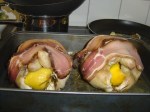
Lazy Sunday cooking…..Chicken with garlic and lemon gravy, gnocchi with sage butter and glazed carrots

This is one of my fastest and easiest Sunday lunches and has the advantage of not only being very basic, but it really does taste good! You can leave the chicken pretty much undisturbed and the carrots and gnocchi will only take minutes to cook. You don’t have to make the lemon gravy if you don’t want to mess around, it tastes good without.

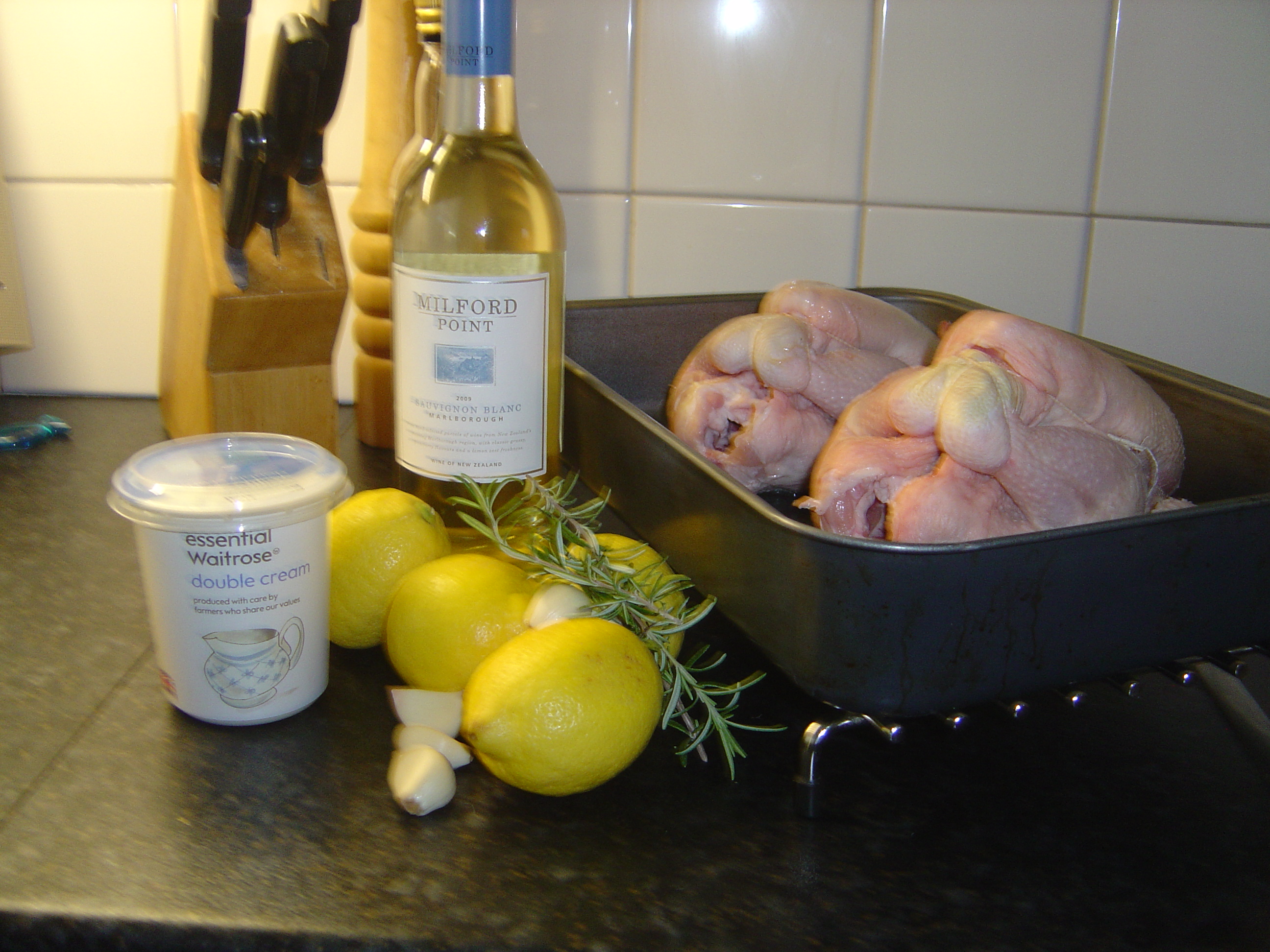
For the lemon roast chicken: You will need: 1 chicken, 1 tablespoon of butter, olive oil,  1 unwaxed lemon, a sprig of rosemary, 2 cloves of garlic, ½ pint chicken stock, small glass of white wine, 1 tablespoon of corn flour and a dash of cream. 4 rashers of bacon (optional)

 Loosen the skin above the breast of the chicken and slide the butter inside it, massaging it to get it as far down as possible. Then cut the unwaxed lemon in half and place along with the garlic and the rosemary inside the large cavity of the chicken.  Rub the outside of the chicken with a little oil and season with salt and pepper.

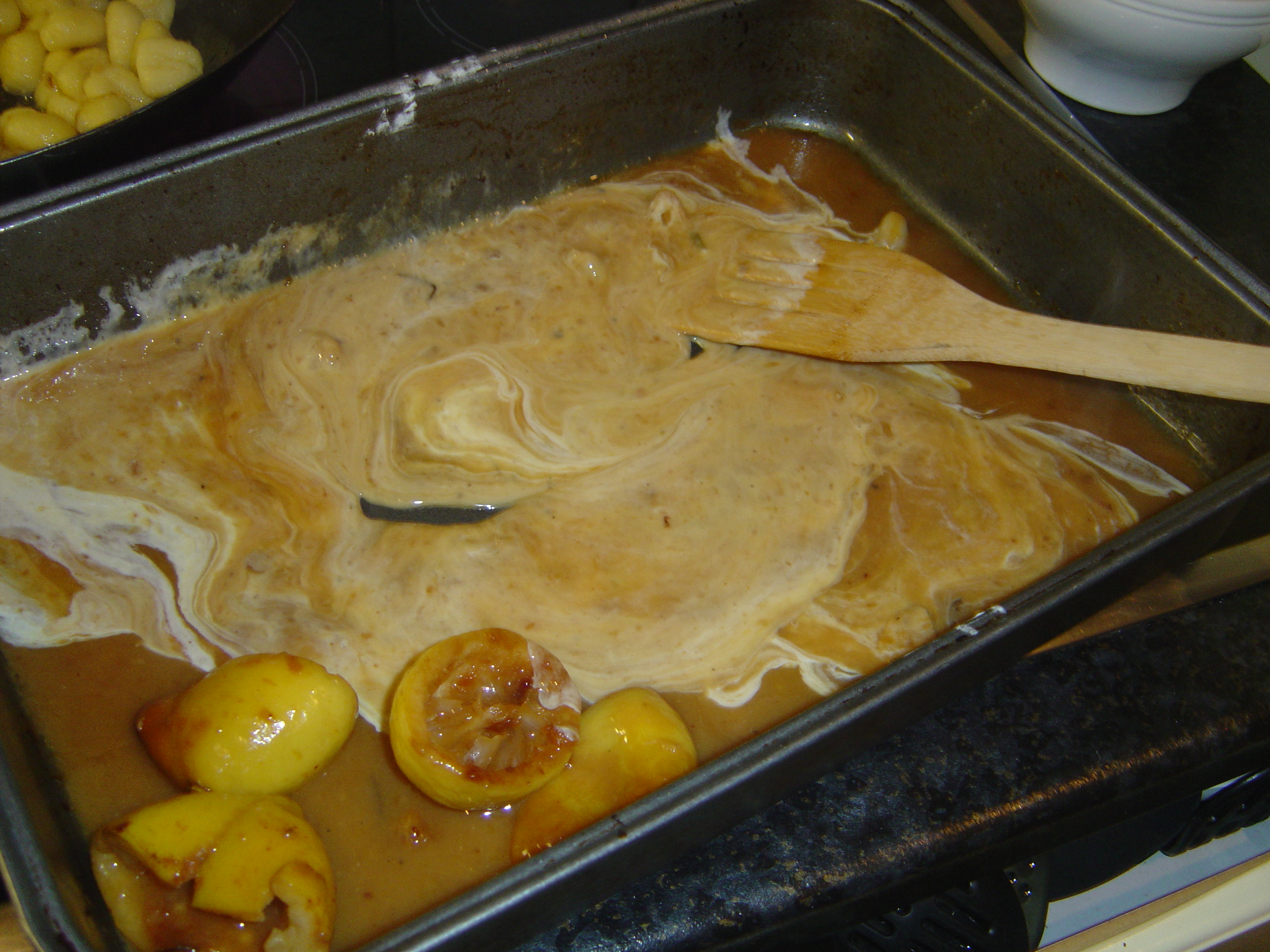
Cook chicken at 220C non fan/200C fan/gas mark 7 for 10 minutes, then turn the oven down to 190C/375F/gas mark 5 and allow 45 minutes per kg, plus 30 minutes. However, the real test of whether your chicken is cooked is if you stick a skewer in to the thigh joint and the juices run clear.  20 minutes  before the chicken is ready, place bacon on top if you wish and raise the temperature to Gas Mark 7, 220 degrees non-fan, 200 degrees fan.  Remove the lemon, garlic and rosemary from the chicken and leave with the cooking juices in the roasting pan.  Remove the chicken and leave for 30 minutes before serving.  Just before serving, place the roasting pan on the hob and on a medium heat stir the juices until they are brown and bubbling.( Don’t be tempted to squash the lemon too much or it will make your sauce too sharp!).  Remove the lemon, garlic and rosemary and add the corn flour, stirring rapidly. 

Add the wine and stock and allow to cook for a few minutes so that the flour cooks, and the alcohol doesn’t taste too raw. Add more water if too thick.   Set aside until you are ready to serve, heat at the last moment and add some cream.

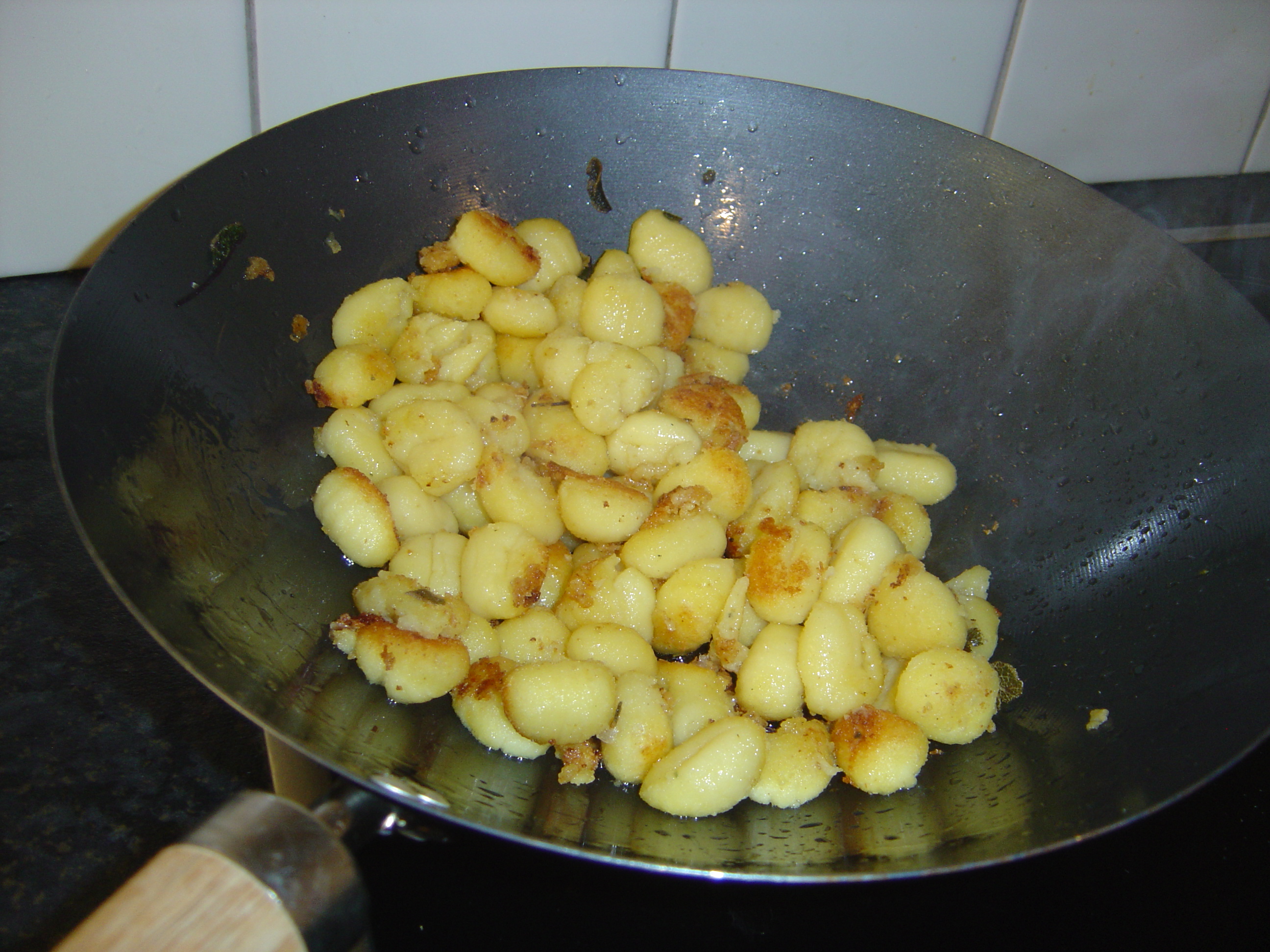
Meanwhile, whilst your chicken is “resting”For the gnocchi: 1 packet ready-made gnocchi, 2 tablespoons of butter and 1 tablespoon of sage leaves,  salt and pepper to tast.  Place the butter in a wok or a frying pan.  When it is hot and bubbling add the sage and the gnocchi and pan fry stirring constantly, until the gnocchi are golden brown.  Add a sprinkle of sea salt taste and they are now ready to serve

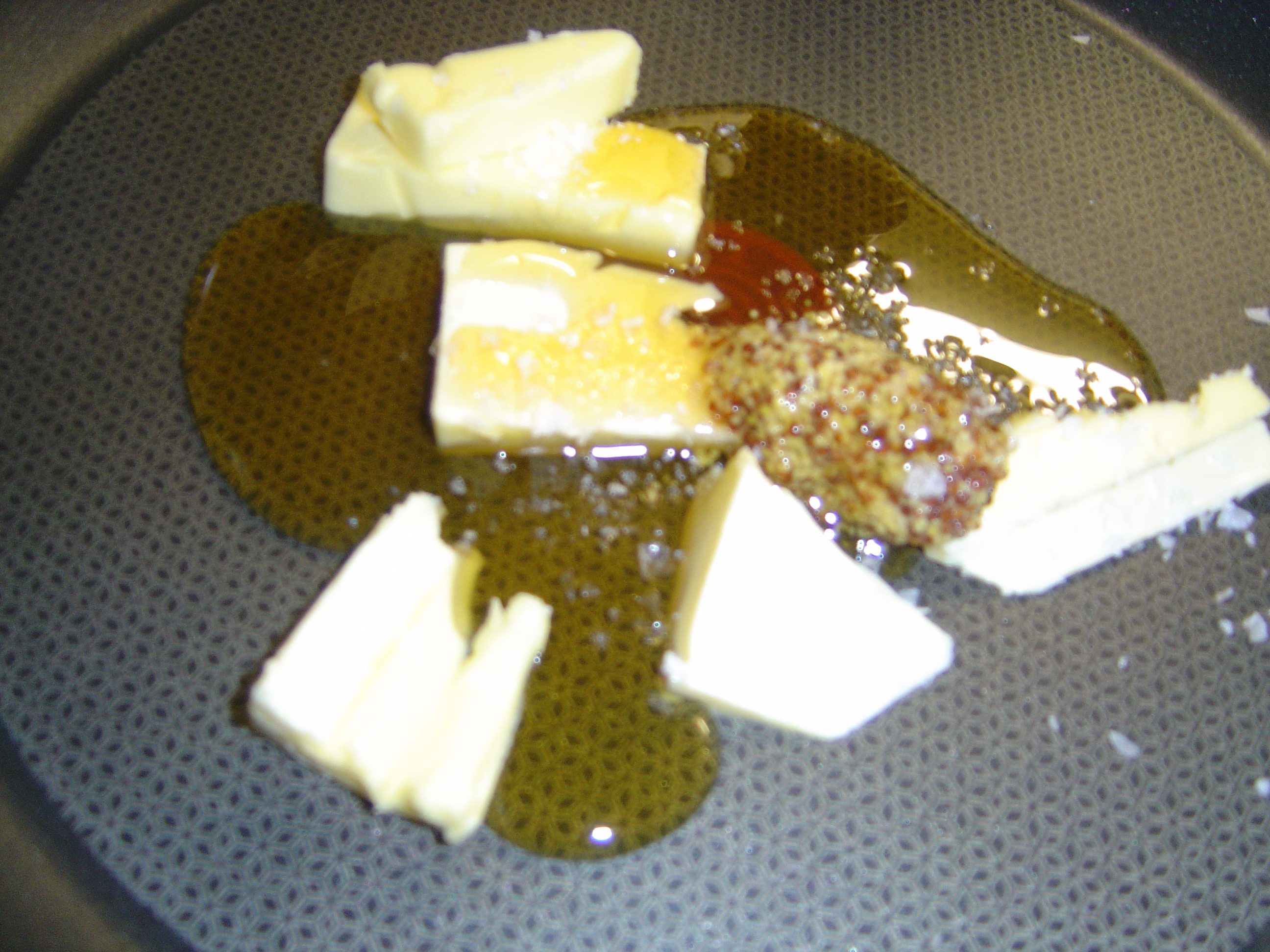
For the carrots: Chantenay carrots: 1 tablespoon butter, 1 tablespoon honey, 1 teaspoon wholegrain mustard.  Boil carrots in a saucepan for 5 minutes, then drain.  In the saucepan add 1 butter, 1 tablespoon of honey and 1 teaspoon of wholegrain mustard and place back on the heat until it is bubbling.  Add the carrots and toss them in the mixture until they are well coated

All of these things are quite rich, so I also like to have just a very plain boiled or steamed green vegetable on the side, such as broccoli or green beans…and of course a large glass of sauvignon blanc!

The Boys are back in town…tough and bitter as ever. Yes, the seville oranges are back and it’s marmalade time!

Guess who just got back today? No, not another album of Thin Lizzy’s greatest hits, but Seville oranges are in the supermarkets everywhere, hoorah! They are only in season for a few weeks so rush out now and buy some! If you are a marmalade virgin, this is your perfect chance to have the ultimate first experience.  Do allow yourself some time, however as you have to pre-cook the oranges before you can start on the fun marmalade stuff.

Why are they so popular? Originating from Seville in Spain (ok, so it was in the name), these are no ordinary oranges; for a start they are sour and full of pips which makes them very unpleasant to eat raw BUT they make amazing marmalade.  Their flavour lends itself to the most exquisite bitter sweet taste but the best bit is that because they have so many pips, they are jam packed (no pun intended) of pectin, which means it’s incredibly easy to get the marmalade to set.  No sweating with jam thermometers and guessing whether it really will gel or not, especially if you use my fool proof recipe, you will have success. The only downside of my lovely recipe is that it is a really old one and so is in pounds rather than metric, which makes the metric quantities look a bit odd.You will Need: At least 1lb of Seville oranges (450g), Double the weight in sugar e.g. 2 lbs of preserving sugar (900g) and 2 pints of water. You will also need clean, sterilised jam jars and lids, you can also use little waxed triangles if you wish.  I have made masses today, so I actually used 7 ½ lbs of oranges and 15lbs of sugar!

John loves the really dark marmalade, so I generally make half of each, and so to make a really rich version, you will need 1 tablespoon of black treacle for every pound or 450g of sugar.

How to do it:

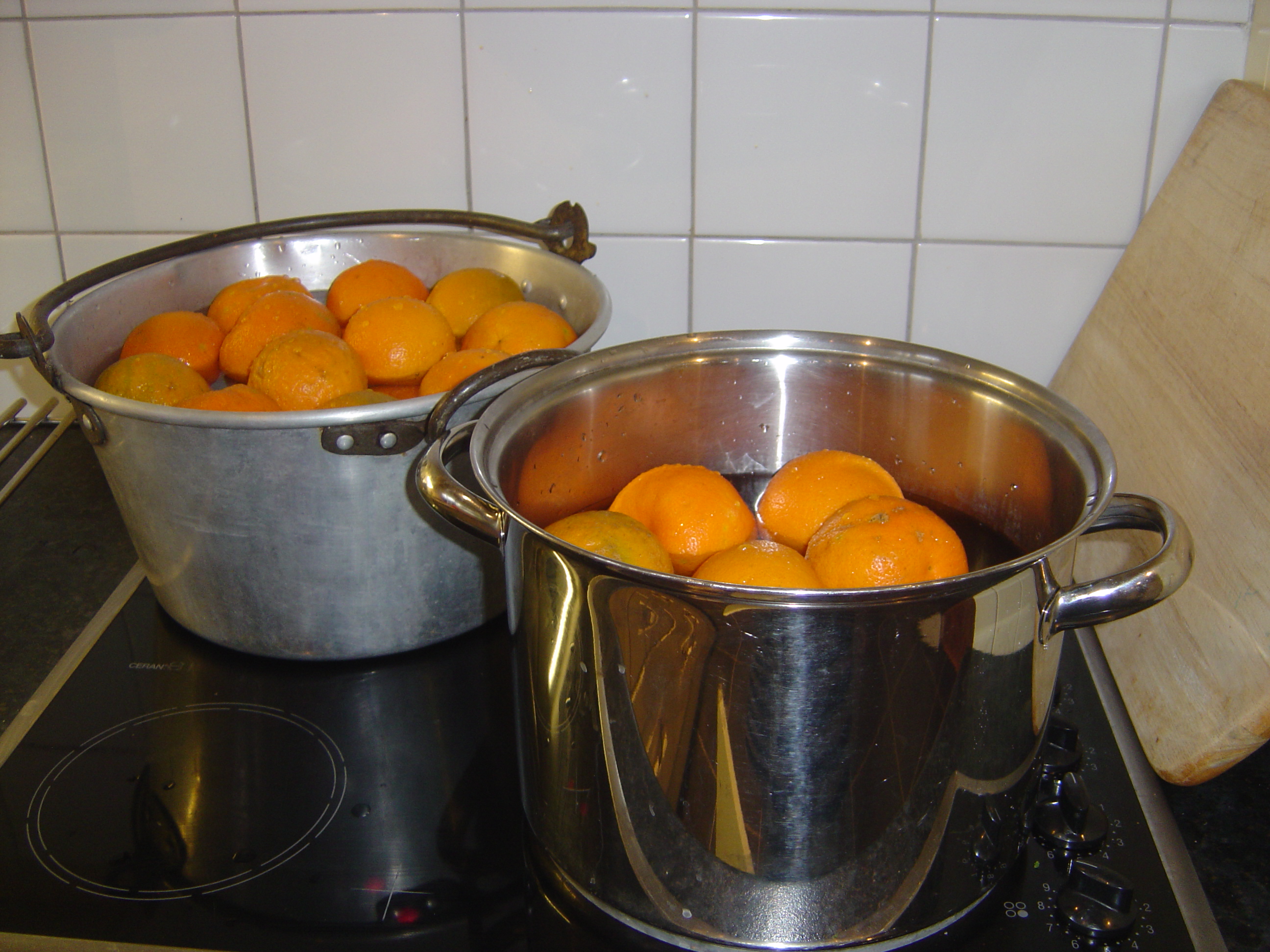
  • Place your oranges in a very large saucepan or preserving pan and cover with the water
  • Place on a high heat and bring to the boil, then reduce the heat until it simmers, cover and leave for 2 hours or until you can poke the oranges easily with a skewer or fork.(I do this the day before and then leave them overnight to cool in the cooking water, which makes them even more tender.
  • Once the oranges have cooled, fish them out from the pan, making sure you leave the cooking water in
  • Scoop out all the seeds and place the seeds back in the water
  • Bring to the boil and boil on high for 10 minutes – this releases all the lovely pectin from the seeds
  • Whilst the liquid is boiling, chop up the oranges to your taste, or if you are lazy like me, chuck them in a food processer and pulse a few times. Don’t be tempted to over blitz it, or you will get mush.

Place a small plate in the freezer…yes, I mean it! This is so that it is easy to check whether your marmalade will set later.  With a slotted spoon, fish out all the seeds and throw them away. Sorry lovely friends, I always miss quite a few, so watch out for the odd rogue seed in your pots!

Bring the liquid back to the boil and add the sugar. Now, the stalwarts of the WI would probably tell you to warm your sugar first, but when you are using Seville oranges, it’s really unnecessary. I also go for “belt and braces” and use jam sugar which adds even more to the pectin content.

If you want the dark marmalade, add 1 dessertspoon of black treacle for each pound of sugar now

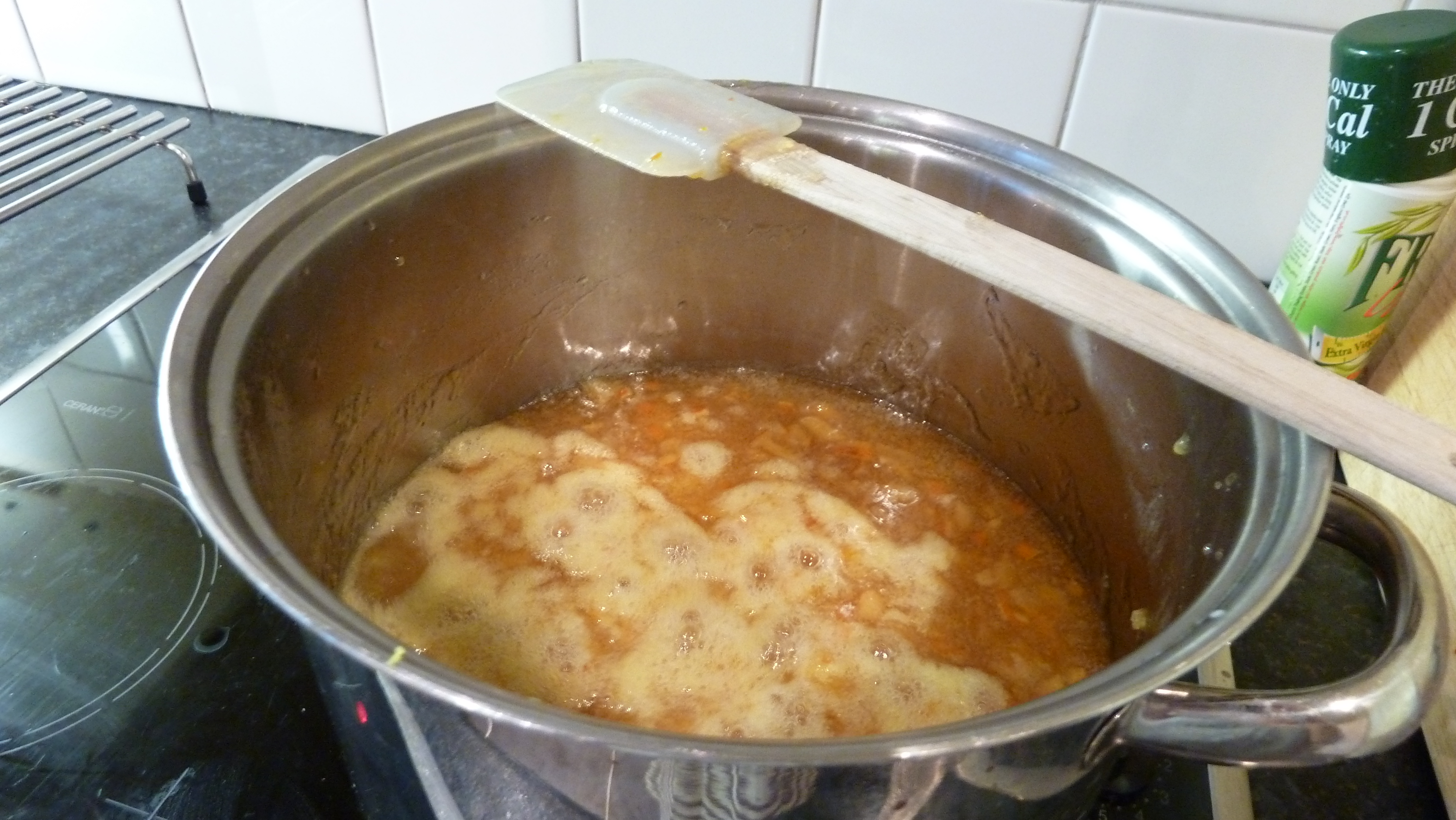
Stir until all the sugar is dissolved and then reduce the heat, but make sure it is bubbling nicely

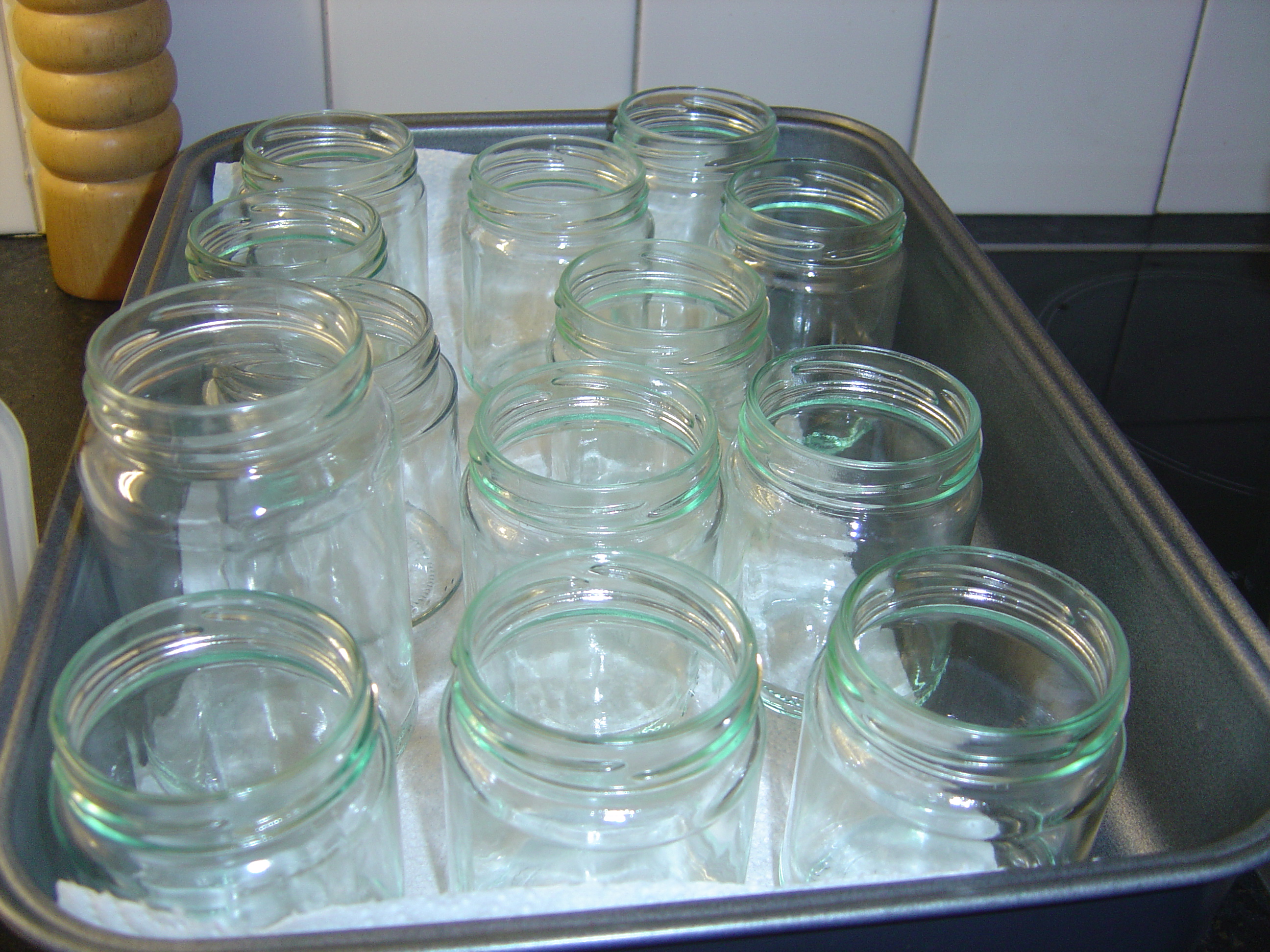
Place your clean jam jars in the oven on Gas Mark 4, 180 degrees non-fan, 160 fan for 10 minutes to sterilise them. If you are using lids, put them in a jug and pour boiling water all over them. (Why bother sterilising? It’s because the air is full of random yeast and if you don’t kill of as much as possible, it may cause your marmalade to go mouldy).

  • Leave it bubbling undisturbed except for the occasional check to make sure it is not sticking to the bottom for 15 minutes.
  • Start to check if has reached setting consistency, by taking a teaspoon full of the marmalade and placing it on your cold plate from the freezer. Leave it a couple of minutes and then push the top with your finger; it should go thick and wrinkly which means it will set.  If it doesn’t form a skin, keep boiling the marmalade checking every 5 minutes, but most will be fine after 15.

Now….decant your hot, lovely marmalade in to your jars, place a waxed circle on the top and screw the lids on.

Allow them to cool, make a piece of hot, crusty toast, add liberal amounts of butter and top with your own, lovely, lovely marmalade.  It’s so easy! Look how much I actually ended up making, hopefully that will last us for ages. There are loads of other things to do with your Seville oranges as well as make marmalade, one of my favourites is that you can infuse them in a preserving jar with vodka or gin and a bit of sugar. Also don’t forget if you have made marmalade that you can use it for my easy Marmalade Bread and Butter pudding or you can use it in a steamed sponge…..more marmalade-type recipes to follow, including smearing it all over the top of a roasted duck.

Passionate about Puddings…Marmalade Bread and Butter Pudding

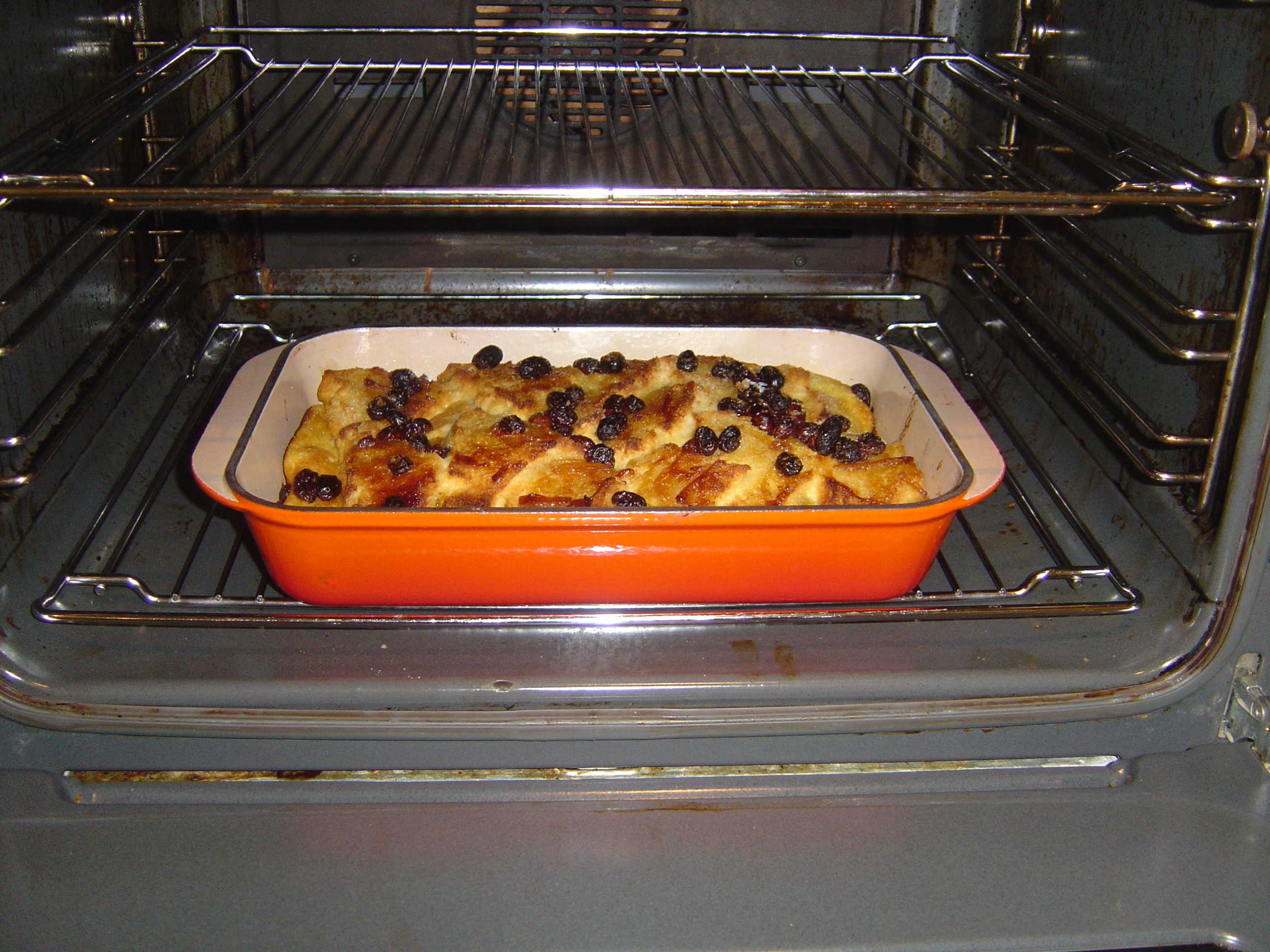
Marmalade Bread and Butter Pudding

Well, it’s Sunday again and I have woken up determined to cook a traditional British Pudding to follow our garlic and rosemary roast lamb. Don’t ask me why, but these things just get me sometimes! Today I am passionate and pudding-driven – do you think that’s a recognisable mental ailment? Probably, and even my childish delight at a little alliteration is probably right up there, too!

So what’s it to be? My friend Joyce makes wonderful Bread and Butter pudding and given I have half a loaf of white bread knocking around, from when I was too lazy to go to Waitrose to buy any decent stuff and went to the garage instead, this seems the perfect solution. However, I spy a bottle of my home-made marmalade (Seville orange recipe to come next week!) and wonder what will happen if I combine the two. Let’s find out shall we?

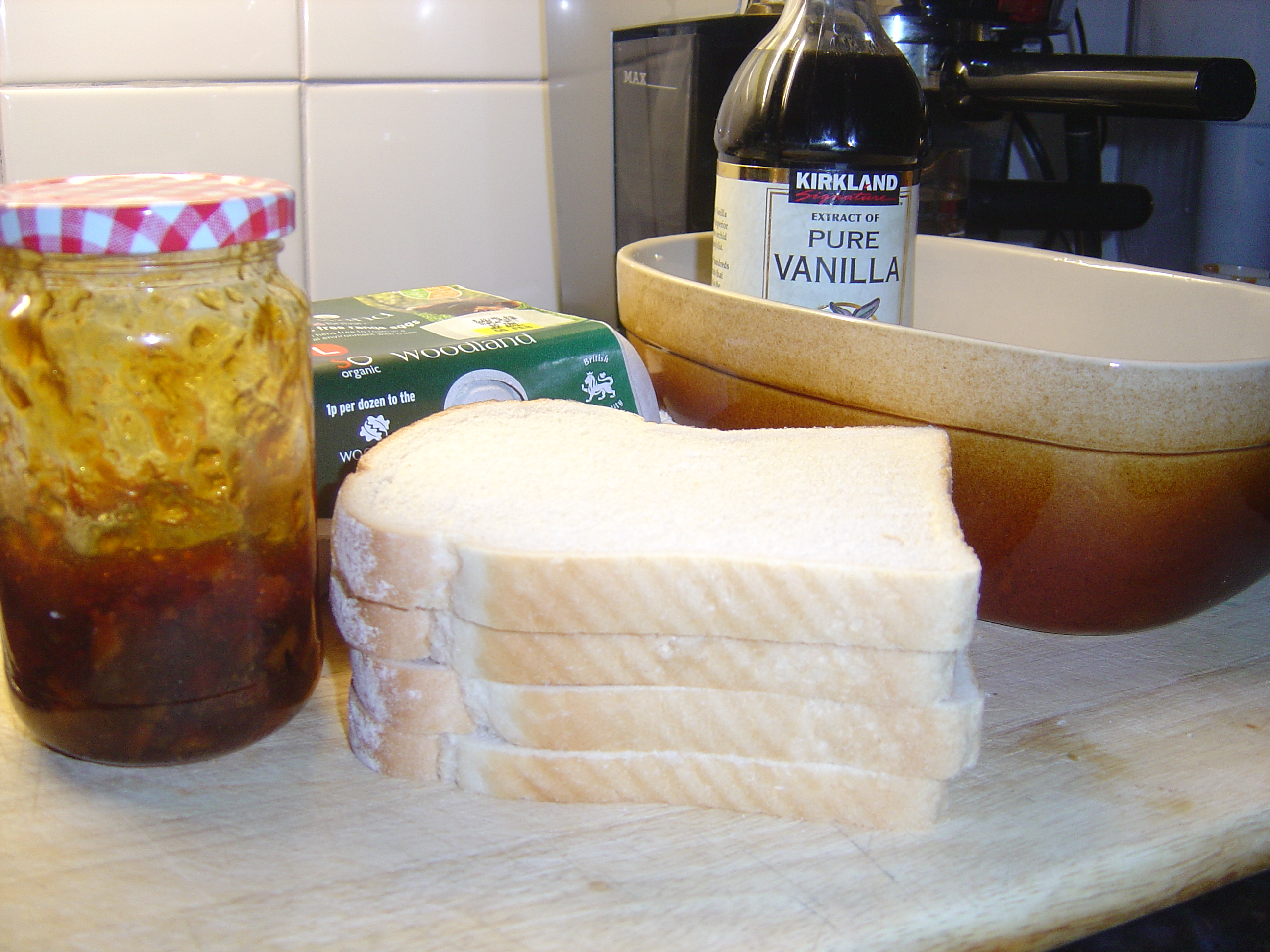
You will need: 6 slices of white bread with the crusts cut off, butter, marmalade, a handful of raisins, 1 tablespoon of Demerara sugar (use white granulated if you haven’t got any), 15fl ozs milk, 1 teaspoon vanilla essence, three eggs, 1 tablespoon of caster sugar.

Method:

  • Grease a shallow baking dish with a little butter
  • Spread the bread generously with butter and then marmalade and cut in to quarters
  • Place half of the quarters on the bottom of the baking dish (marmalade and butter side up) and sprinkle a few raisins over them
  • Place the remaining bread quarters on the top, marmalade side up and sprinkle with a few more raising
  • Whisk the caster sugar in to the milk, and continue to whisk in the eggs and the vanilla essence
  • Pour all over the bread slices and top with sprinkled Demerara sugar
  • Cover with cling film and leave aside for at least 30 minutes to allow the custard mixture (yes, that’s what you’ve just made!) to soak in to the bread
  • Place the dish in the oven, Gas Mark 5, 190 degrees non-fan, 170 fan for 30 to 45 minutes or until the top is all crispy and caramelised. Serve with plain vanilla ice-cream. This was SO simple to do and tasted just delicious, other alternatives would be to mix a little whisky in with the marmalade, or add some chunks of crystallised ginger.

Stew and Dumplings, an ultimate Sunday pleasure

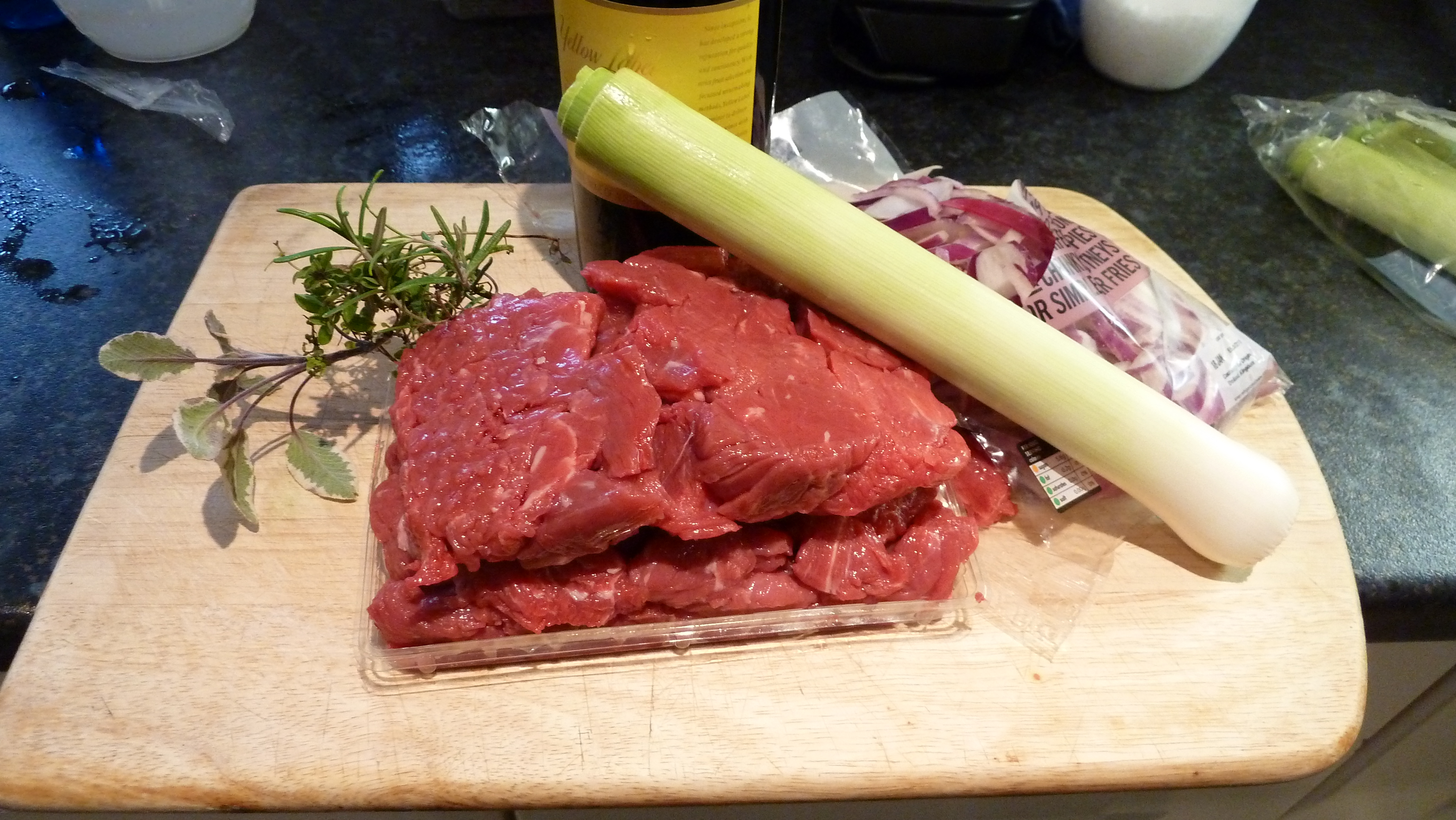
What do you need to perk you up on a miserable January Sunday? Well, I can think of a lot of things, but once we’ve discounted all the immoral, illegal and improbable options, at the top of my list is comfort food.  Now you can’t beat a good Sunday roast (why, oh why did Nicole Kidman do that to that poor child??) but sometimes, you need stew and not just any old stew, you need stew and dumplings. So drag out your faithful Le Creuset casserole dish (if you haven’t got one, buy one, it is a kitchen essential) and prepare to make stew. As this is post-Christmas we are unfortunately going through that terrible trauma called dieting, so this is my low-ish fat version, I haven’t compromised on the bacon lardons, the added texture and flavour is just too important, but I did use light suet. The chief thing I omitted was coating the beef in seasoned flour and frying prior to adding to the casserole, which is lovely, but you really won’t miss it too much. Additionally, you could use just liquid beef stock rather than the red wine I used.

Kim’s Healthy (ish) beef stew – Serves 4. This is not an exact science, but I reckon this would be around 600 calories per serving   You will need:

  • 500g good stewing beef
  • 50g of diced pancetta or smoked bacon lardons,
  • 1 large onion, chopped
  • 2 crushed garlic cloves
  • bouquet garni (homemade or shop bought, see method for making your own below)
  • 1 chopped leek
  • ¾ bottle of red wine
  • Beef stock cube or 1 of those little Knorr jelly ones (note, they are very salty so don’t add additional salt until you have tasted it at the end)
  • For the dumplings
  • 100g flour,
  • 50g suet – you can get vegetarian or light if you prefer
  • ½ teaspoon mixed herbs

Method: 1) Place the pancetta or bacon lardons in the bottom of your casserole and place over a medium heat on the hob, they will start to brown and will throw off a little oil. 2) Add the onions and the garlic and continue to cook, stirring occasionally until the onions are softened and brown.

3) Add the beef and cook, stirring until it is browned all over

4) Add the stock, the bouquet garni, red wine and  leeks 5) Bring to the boil and then place a tight fitting lid on top and place in the oven for 1 ½ hours at Gas Mark 4 or 160 degree Fan assisted 180 degree not.

In the meantime make the dumplings by mixing the flour, suet and herbs together and adding just enough cold water to make a stiff mixture. Divide in to 6 balls. Finally, place on top of the stew and put in the oven for a further 20 minutes, keep the lid on firmly for the whole of the cooking time, don’t open it up and let out the steam.

You are now ready to serve, with just plain, steamed vegetables if you want to keep the calories down or with lovely buttery mash.

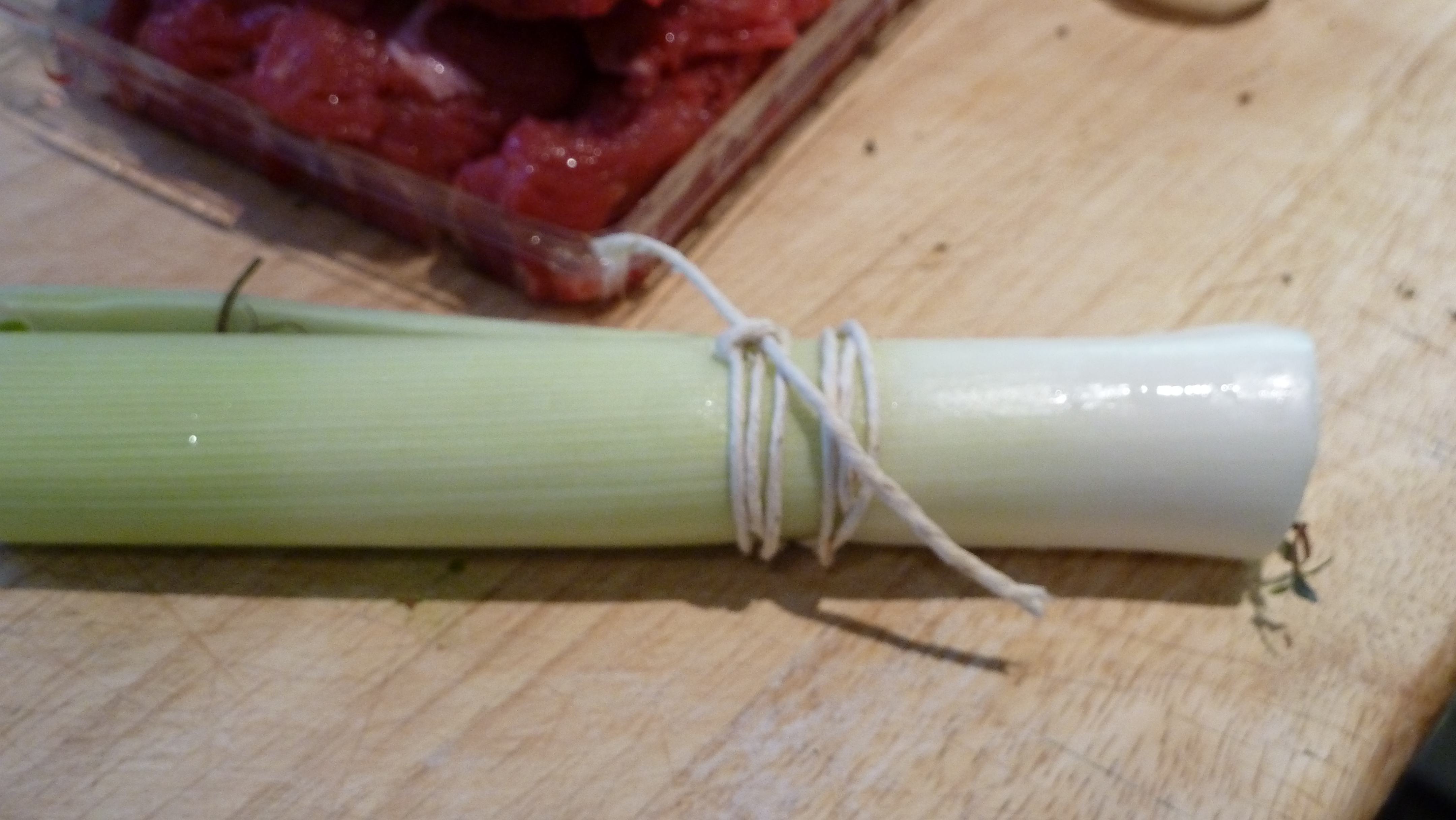
A nifty way of making a bouquet garni that doesn’t fill your stew with bits of old twig, is to get a handful of fresh herbs of your choice e.g. thyme, rosemary, sage, bay and using the outer skin from your leek, wrap them up tidily in the leek and seal it with string. That way, you get all the flavour but no bits and it really does look nice!

FinallyAtora suet has been a bit of an institution for years, here’s a link to their website which has loads of recipes. You can make the most brilliant things with suet – fantastic steamed puddings…watch this blog for details in the future

http://www.atora.co.uk/

Plumed Horse, Edinburgh – a michelin star for the birthday girl

Despite flu, freezing temperatures and airport delays, we started 2011 with a visit to Edinburgh to celebrate the 40th birthday of the lovely Sherri (the baking diva of white chocolate chip cookie fame).  Staying at the magnificent Balmoral Hotel in Princes Street (best shortbread, ever) we turned up for her surprise birthday dinner arranged by her partner, Mark.

Edinburgh is rich in michelin starred restaurants and in fact the dining room at the Balmoral itself has a michelin star, but in the week after New Year, only one was open! At least that took away any disagreement as to where we went, although I have to say I was a little disappointed to miss out on ‘the Kitchin’ as Tom Kitchin is rather a favourite of mine, curly haired little minx that he is.

A short taxi ride from the city centre and we arrived at the Plumed Horse.  The restaurant was first started at Crossmichael in 1998 by chef Tony Borthwick and his then business partner. It did exceptionall well for an out-of-town restaurant and when it moved premises to the business area a couple of years ago, breaths were bated as to whether he could sustain his michelin star, which he did in 2009. The restaurant itself is unpretentious and reasonably small, but the staff were welcoming, this is not over-the-top michelin glitz, but felt comfortable. They display paintings from local artists on their walls, which I though was a great idea to promote the local art scene. We opted for their tasting menu at £59.00 per head with a wine selection for each course at a further £40 per head.

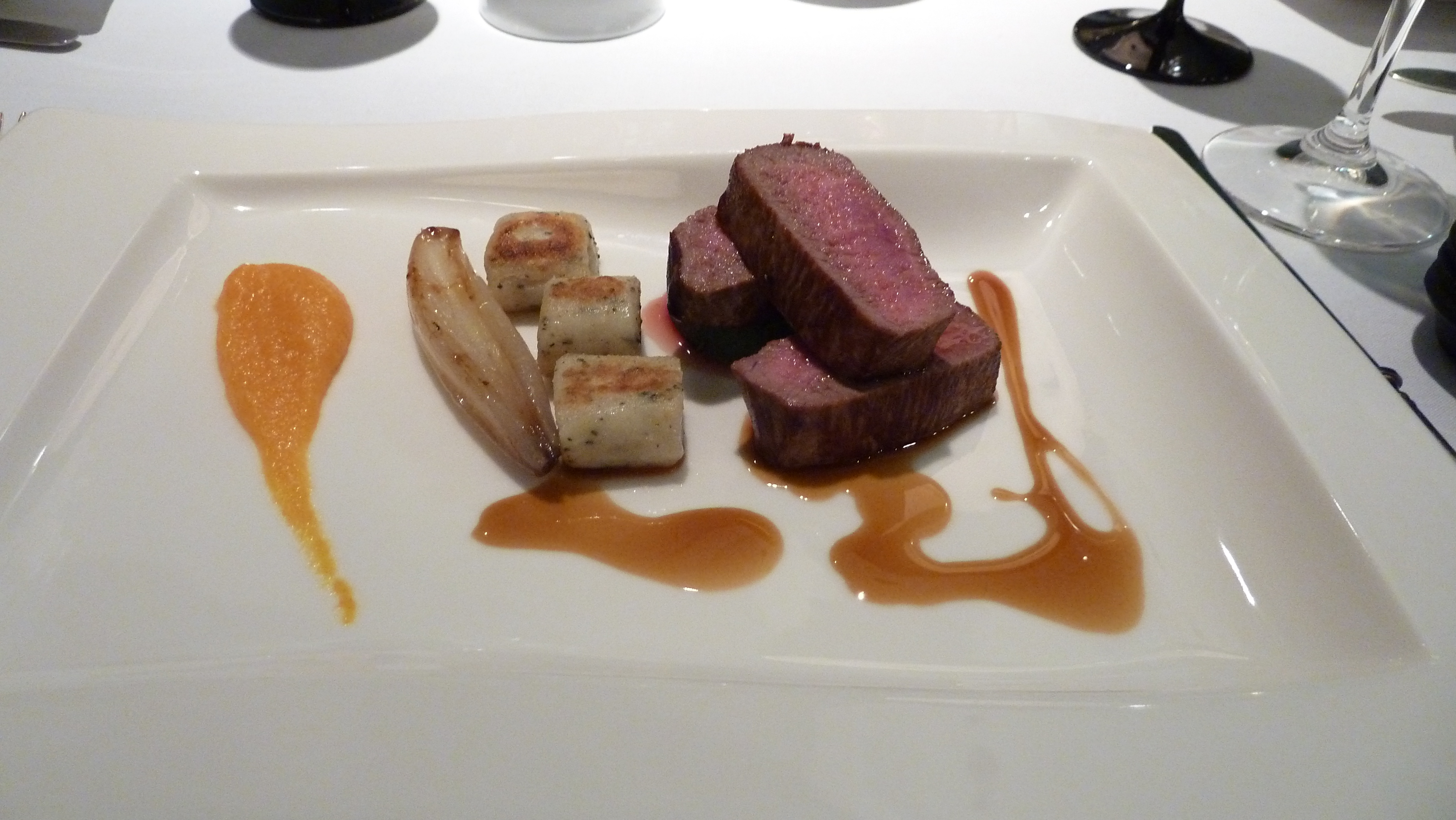
Unexceptional canapes kicked off with a lovely glass of champagne to toast the 40th birthday, followed by a really delicious veloute of Jerusalem artichokes, which was light and fluffy, garnished with a quail’s egg, chives and truffle oil. This was followed by the fish course which was Sauteed Fillet of Sea Bream, Hand Dived Scallop,Chickpea, Smoked Haddock & Crab Casserole,Saffron & Mild Curry Spices which I found mildly disappointing – the sea bream wasn’t as melting as I would like and I couldn’t taste either the crab or the curry in the casserole. The next course of foie gras and wood pigeon was rich and flavoursone and the thyme brioche accompaniment was very good with it. As the birthday girl commented “Who doesn’t like bread?’. This was followed by  Lamb with spinach, clapshot (mashed potato, turnip and carrot), Rosemary & Garlic Gnocchi and lamb jus. The lamb was nice, but not amazing and I found the clapshot a little bland whereas the gnocchi were almost over-seasoned but all in all a very nice dish. We were served a pre-dessert which was really the first time the whole table “ooh-ed and ahh-ed”. This was a small glass dish with a lemon and ginger meringue dessert that was sublime, better in fact than the actual dessert which followed it, Honey & Clotted Cream Parfait with mulled wine poached plums. There wasn’t anything wrong with this dessert, in fact the parfait itself was creamy and delicious, but honey and plums simply aren’t my favourites.  the meal was rounded off with some petits fours served on a thoughtfully “Happy Birthday” chocolate  iced plate.

The wine choices throughout the meal had been well worth it, they were thoughtful and well-suited to the food and plentiful to the extreme, as our lovely waiter was simply serving a quarter bottle each per course.

We had a fantastic evening, Sherri looked and was amazing on her birthday night and we thoroughly enjoyed ourselves. Would I go back even if it was local to me? I would probably give it another chance as some of the food was very good, but at no point was I blown away, but do remember, I’m very critical!

2010 in review – this is what WordPress said..Happy New Year xx

The stats helper monkeys at WordPress.com mulled over how this blog did in 2010, and here’s a high level summary of its overall blog health:

Healthy blog!

The Blog-Health-o-Meter™ reads Wow.

Crunchy numbers

Featured image

A Boeing 747-400 passenger jet can hold 416 passengers. This blog was viewed about 2,600 times in 2010. That’s about 6 full 747s.

In 2010, there were 62 new posts, not bad for the first year! There were 463 pictures uploaded, taking up a total of 434mb. That’s about 1 pictures per day.

The busiest day of the year was July 20th with 87 views. The most popular post that day was Cupcakes, champagne and red roses – throw in 4 divas and it’s a hell of an afternoon’s baking.

Where did they come from?

The top referring sites in 2010 were twitter.com, facebook.com, iconfactory.com, maidenhead-advertiser.co.uk, and refzip.com.

Some visitors came searching, mostly for what kim cooked next, fiduela, shakespeare’s head brighton, shakespeares head brighton, and wai kika moo kau.

Attractions in 2010

These are the posts and pages that got the most views in 2010.

1

Cupcakes, champagne and red roses – throw in 4 divas and it’s a hell of an afternoon’s baking July 2010

2

Brighton Rocks….our guest blogger, Ellie takes you on a tour August 2010
4 comments

3

My big fat greek saturday night out July 2010

4

Dinner Party Wars – cooking doesn’t get tougher than this…Masterchef? No, read on… November 2010
4 comments

5

The Waterside Inn-amazing food, celebs and bodyguards July 2010
2 comments

Is a Canadian butter tart actually better than a traditional mince pie


At a fabulous supper party at my next-door neighbour, Catherine’s house she proved once again that not only is she stunningly beautiful and talented but also an amazing cook (You’d really have to hate her if she wasn’t a truly lovely person as well – trust me she has it all). She had cooker her mother’s recipe for Canadian butter tarts and I was absolutely blown away by how delicious they were.  This is not her exact recipe, but I have tried to emulate hers and have cooked these for our traditional Christmas Eve drinks party tomorrow.

After that has finished, I will have the answer as to whether my guests think they are as good or better than mince pies, that is if they can still string a sentence together which is unlikely if last year was anything to go by. Anyway, here is my recipe for these deliciously simple tarts and yes, I cheated and used ready-made pastry…mea culpa!

Butter tarts -( makes 36 mini pies)

Ingredients: 2 packets of ready rolled shortcrust pastry, 2 large eggs, 175g light muscovado sugar, 100g raisins, 1 tsp vanilla extract, 50g butter, 4 tbsp double cream, 50g chopped pecan nuts.

Method: Pre-heat the oven to Gas 5, Electric 190/ or 170 Fan. Using a tart cutter,I cut 36 circles and placed in a miniature mince pie tray. Use the remaining pastry to cut small stars, or any other decorations you wish.

To avoid washing -up, I beat the eggs straight in to a non-stick saucepan and then added everything except the pecans. I then mixed throughly and placed over a medium heat, beating all the time until all the butter had melted and the mixture was thick and gooey and just starting to bubble. this can stick easily, so keep on mixing.

I spooned the filling in to the shells and placed starts on top of as many as I could, then placed in the oven for 15 minutes.  Leave them in the tin for 5 minutes then remove gently and place on a wire rack to cool. Serve warm or cold.

Cranberry Bread – Christmas wizadry from Oz

I am so delighted to be able to post this recipe today, as it is courtesy of my lovely cousin in Australia, Lauren. Keep ’em coming cuz!

Lauren’s amazing Christmas cranberry bread

you need: 4 egg whites 1/2 cup caster sugar 1 cup plain flour 1 cup natural almonds & 1/2 cup frozen cranberries. Grease 12cmx22cm loaf pan & line with baking paper. beat egg whites til soft peaks form. Gradually add sugar 1 tblsp at a time beating in between adding. Beat ubtil soft & glossy. Fold in flour, almonds til combined. Fold in Cranberries. Spoon into prepared pan & smooth on top. Cook in mod. oven( 180C ) for 40 mins or until golden. Cool in pan turn out when cool & refrigerate til firm. Using a serrated knife cut into 1/2cm slices. Arrange in a single layer over 4 oven trays. Cook 2 trays at a time in a slow oven ( 150C) for 15 mins or until lightly browned. Cool. Bon Appetite ! xxxxxxxxxxxxxxxxxxxxxxxxxxxx

This time I really have cooked my own goose…

Inspired by Richard Burns who cooked an amazing confit of duck for us a few weeks ago, I have been determined to add something difefrent to our Christmas menu this year and decided that a side dish of goose confit was exactly what was needed to enhance our turkey experience.

Challenge One: Where do you find a goose 4 weeks before Christmas? Easy, I thought just nip to Waitrose or one of our lovely local butchers. Wrong! Apparently no-one ever buys a goose unless it’s the week before Christmas, how mad is that? Anyway, eventually a rather lovely organic frozen goose was found in a long-lost corner of Marlow Waitrose freezer department (Well done, Katy intrepid shopper and frozen goose forager!)

Chopping up a rather reluctant and large goose was by no means an easy feat, I felt like I had done several rounds with the goose by the end of it, and I think it was definitely ahead on points. Nevertheless, I  ended up with the breast cut in to 4 portions, 2 legs, and 2 thighs. the wings really were a little meat-free to use, so I decided that they would be better used for the stock I planned to make. I looked at many sources for a good recipe and in the end came up with a hybrid of my own. Note of caution,  John Torode fans, his recipe for confit states 100g of salt, which is FOUR times what all the other recipes suggest. Be warned!

So here is the concoction I came up with : For the confit: Take the legs, thighs and breast of a goose.For the marinade:  25g of rock salt, 1 teaspoon of ground cumin, 1 teaspoon of ground coriander, 4 juniper berries,4 cardamom pods and 6 garlic cloves. 1 small bunch of thyme, rosemary and sage  For cooking: 1 head of garlic sliced in half, 2 bayleaves, 10 peppercorns, 2 tins of goose fat. For the sauce: rest of the goose, 1 chopped onion,1 pint of chicken stock, 1/2 glass of dry white wine, 1 tablespoon of butter.

Method: Place the salt, cumin, coriander, juniper berries, cardamom pods and garlic cloves in to  a pestle and mortar and grind until the whole spices have been crushed. Place the goose pieces into a large tupperware container, rip up the fresh herbs and then scatter them along with the salt, garlic and spice mixture all over the goose, making sure it is well rubbed in. Place in the fridge for at least 24 hours. The next day, wipe the marinade off with some kitchen towel and place in a heavy casserole dish with a lid and add the halved garlic and the peppercorns and the goosefat. Place in a very low oven, Gas Mark 3, 140 degrees C (fan assisted), 160 degrees if not. I like my mine nearly falling off the bone, so I cooked this goose for nearly three hours, you can cook it for less if you like.  Whilst it is hot, pile it into a large kilner jar, or even a pudding basin and make sure the goose pieces are completely covered in the fat. Allow to cool and then place in the fridge, where it will stay good for several weeks.  I place any additional goose fat into jam jars to use for my roast potatoes, goose fat can be re-used many times. When you are ready to use your goose, dig out the pieces from the jar and place them in a roasting pan in a hot oven Gas Mark 6, 200 degrees C/180 fan assisted fro 30-4o minutes until the skin is looking crispy and browned. Serve with the reduction below.

Meanwhile the day before, I had placed what was left of the raw goose, including into a  roasting pan with the chopped up onions, and had roasted it on Gas Mark 4/electric 180 degrees C/160 fan assisted for 90 minutes. I then placed it in a  large saucepan, added the chicken stock and left it to simmer for 2 hours (the smell of the cooking drove Lily,  the dog mad, picture above just because she’s so lovely). I then strained it, and have frozen the stock to be reduced with white wine on the day, with a little butter whisked in to it to make a wonderful reduction that will taste amazing with the goose. You can add some cranberry sauce if you’re feeling festive.

Simples! Watch out next week for the lobster ravioli with the champagne pearls…

The Truth about Bread Sauce

Okay, it’s about time somebody stood up and said it. Packet bread sauce actually tastes nice. Not wonderful, but nice and in fact, is a whole lot nicer than the ready-made varieties you can buy in the supermarkets at Christmas,which  for some reason never, ever taste good. What have they done to them, how can it be so tasteless?

However, home-made bread sauce is the best thing ever and tastes fantastic and is an absolute must, cold in your Christmas sandwich for Boxing Day. (trust me on this, layers of turkey, cold bread sauce, cranberry sauce,stuffing, mayonnaise and a little wholegrain mustard preferably in a crusty white baguette)

Anyway, I digress. My recipe for Bread Sauce is slightly different because I leave the onion in it, I have never understood why you would throw it away, when the flavour of soft, buttery onion is so good. This is easy to prepare in advance and put in the freezer. Just defrost on Christmas Eve, and warm gently on the day adding a little cream and the butter before serving and a little nutmeg if you like the flavour. It really is delicious.

Bread sauce

Ingredients:

1 small or half of a large, mild white onion, finely chopped (don’t even think of using a red onion, it won’t work!), 10 cloves, 10 peppercorns, 1 bayleaf and 2 sprigs of thyme, 500ml full cream milk, 50g butter, 100g of dried white breadcrumbs or cubed, stale white bread, salt and pepper to taste.  To serve:   4 tablespoons double cream, 50g butter, fresh grated nutmeg   

Method

  • Add the cloves, peppercorns, bayleaf and thyme to the milk in a non-stick saucepan


  • Bring to the boil, remove from the heat and cover.
  • Stand for at least 2 hours or overnight if preferred
  • Fish out the herbs, cloves and peppercorns


  • Melt 50g butter in a saucepan and add the finely chopped onion
  • Sweat the onion gently, until soft and translucent for 5 to 10 minutes – do not allow to brown.


  • Add the breadcrumbs
  • Bring to the boil
  • Simmer for 3-4 minutes

 (If you are going to freeze the sauce, leave to cool and do it now)

Add the cream and remaining butter, do not allow to boil – Season and grate fresh nutmeg and serve