Hooray for Houmous or is it Hummus or Hummous??

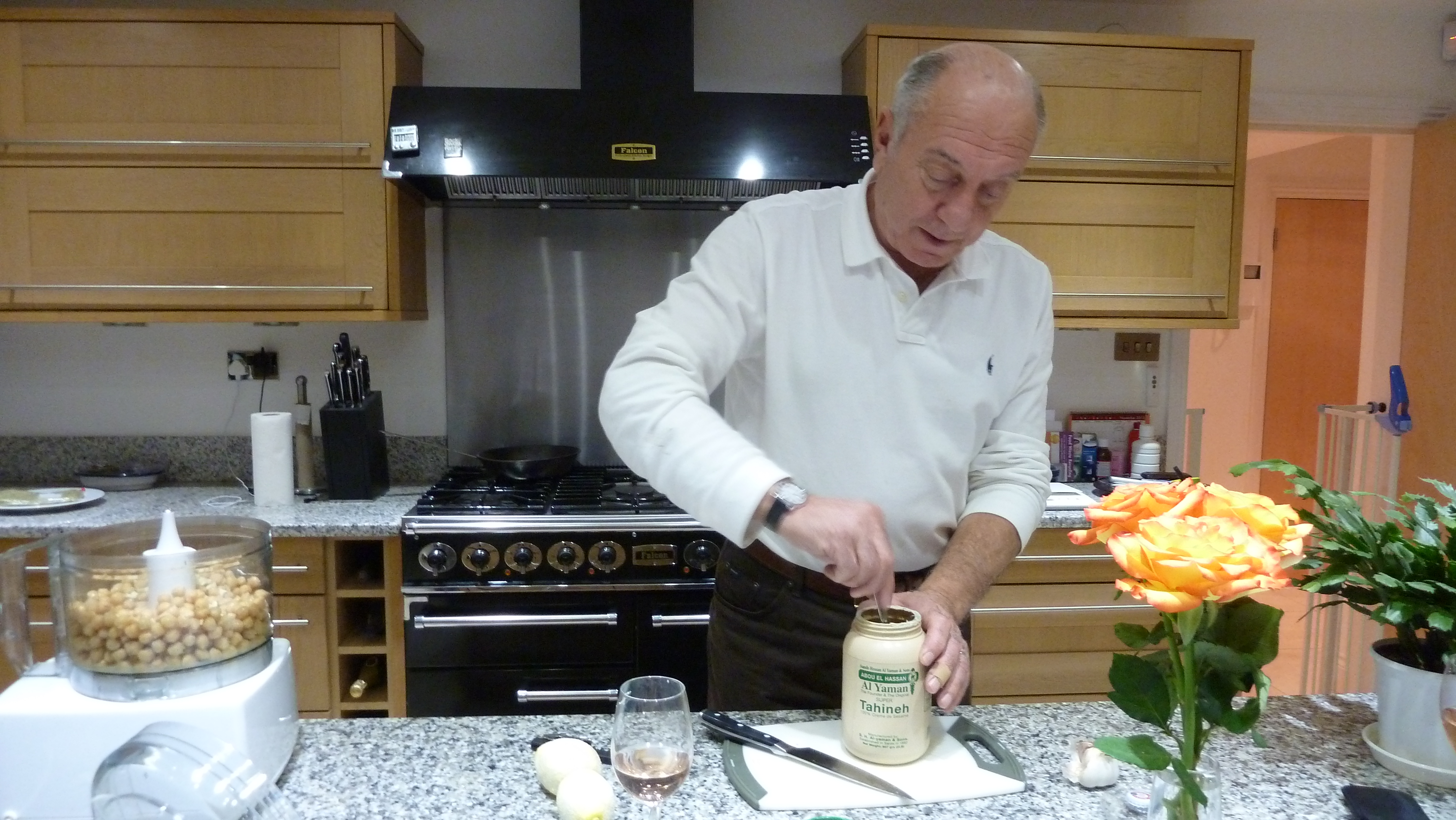
You have to be impressed by any kind of food that has so many spellings and no-one is completely sure what the correct one is! For the moment, I am going to use Houmous (although Joe uses Hummous). Spelling apart,  I have always bought my Houmous from the supermarket in convenient little tubs, but that was before I knew how incredibly simple it was to make.  I was also impressed that most recipes don’t include any oil other than for garnish, so it was also a lot less fattening than I had thought. So now on to the recipe and who better than our local resident expert on middle eastern cookery to show us? Pictured below with the lovely Helen.

You will need:

  • 1 can of chickpeas (drained and washed,  with a few whole ones reserved for decoration – there is a school of thought that say that you should use soaked, dried chickpeas but canned is just, so convenient!)
  • 1 large or 2 small  cloves of garlic – crushed
  • 2  tablespoons of tahini ( you can buy this at any good supermarket, although Joe does buy some super-special stuff at a speciality store)
  • Juice of 1 lemon (if you like it extra lemony, you could us the zest, too)
  • Water for thinning (approx 1 tablespoon)
  • Salt and Pepper to taste
  • You can add a pinch of cumin if you want a little spiciness
  • Good qaulity olive oil and finely chopped parsley or coriander to decorate

Method:

  • Place the drained chickpeas, the lemon juice (and zest if used), garlic and the tahini (and cumin if you are using) in to a food processor and blend really well for a few minutes
  • Test, and if the mixture is still thick, add 1 tablespoon of water and blend further which gives a really smooth, silky texture
  • Add salt and pepper to taste

Joe had a very traditional way of serving it, spread carefully in a round shape on a plate.

He then drizzles virgin olive oil  on it and some finely chopped parsley, he would normally keep a few of the whole chickpeas to decorate with, but we forgot and blitzed them all!   It may also be nice to add some finely chopped red peppers or chillis for a real spicy kick.
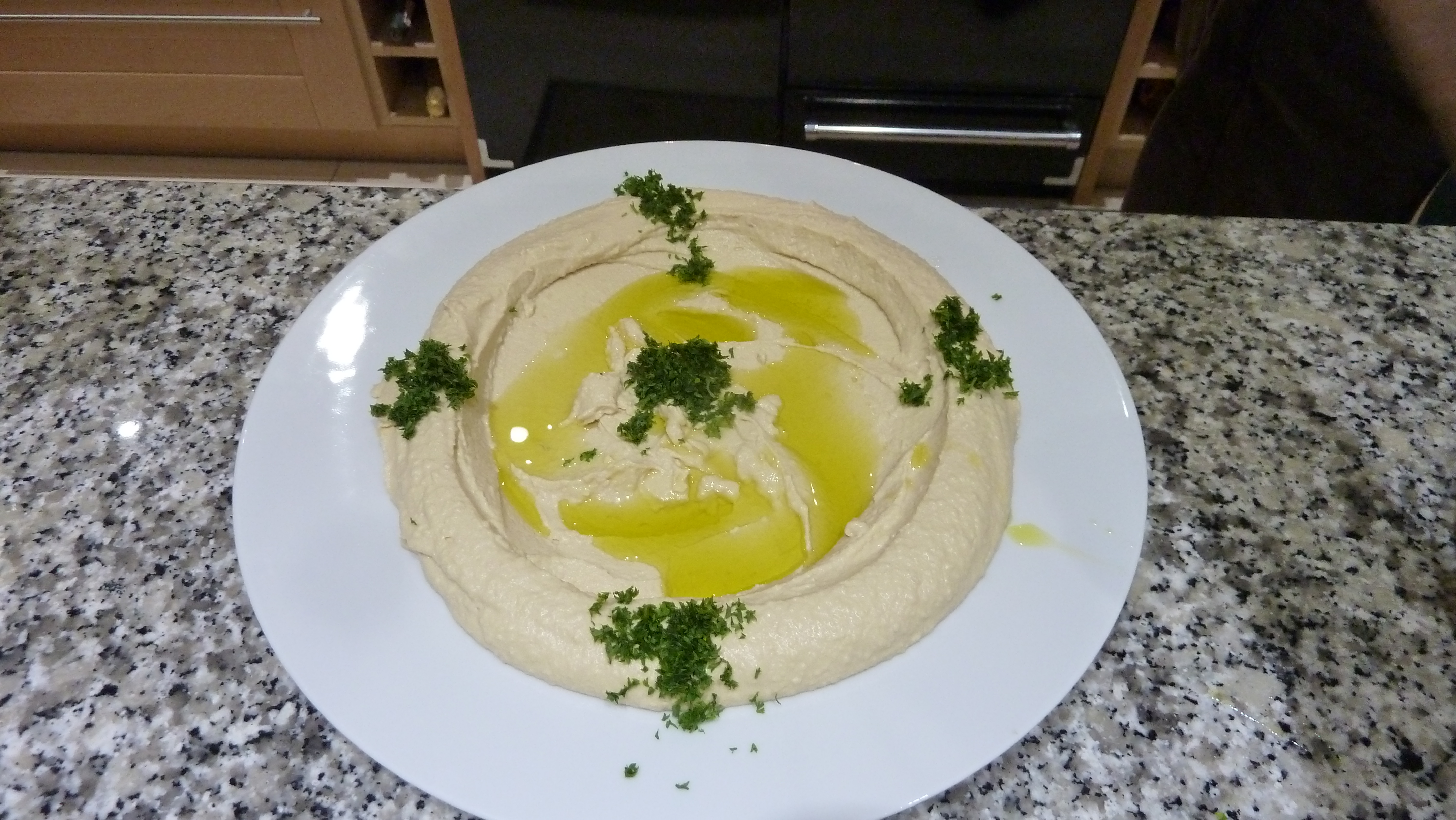
This was served with toasted pitta bread and of course, some of Joe’s trademark falafel. Delicious!

When good bananas go bad – Part two – the banoffee souffle

Yes, it’s happened again. There they were looking fresh, yellow and appealing and overnight they turned from innocent fruit in to guilty, squashy criminals that could not be tolerated.

This my friends is another classic case of what happens when good bananas go bad…

One solution was to make banana loaf, which is indeed a noble answer but I really do think I have come up with the best solution ever, so prepare yourselves for …

When good bananas go bad – the sequel.

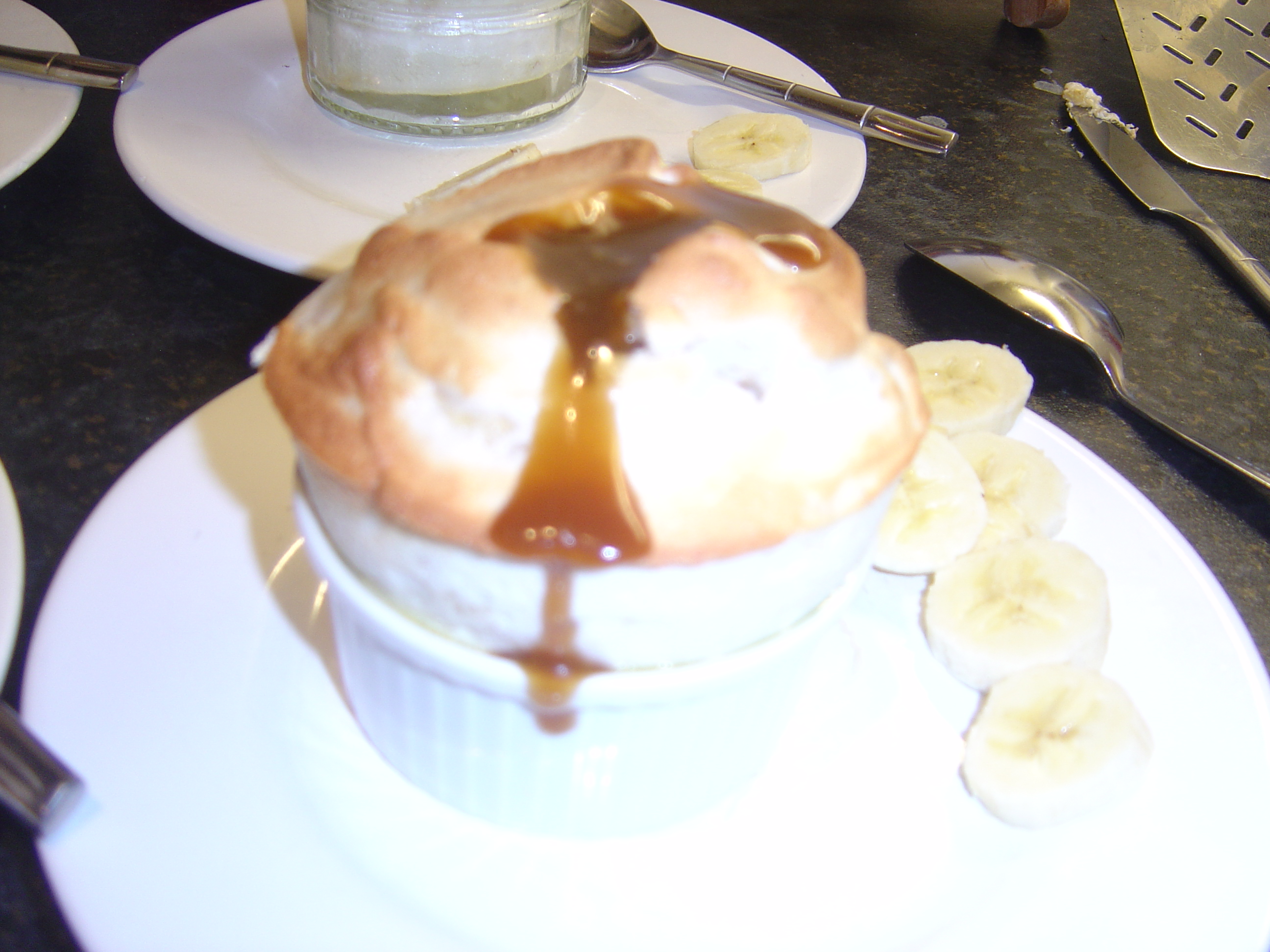
Banoffee Soufflé, yes get very excited. This is honestly one of the easiest and best dishes I have come up with and I cannot recommend it highly enough

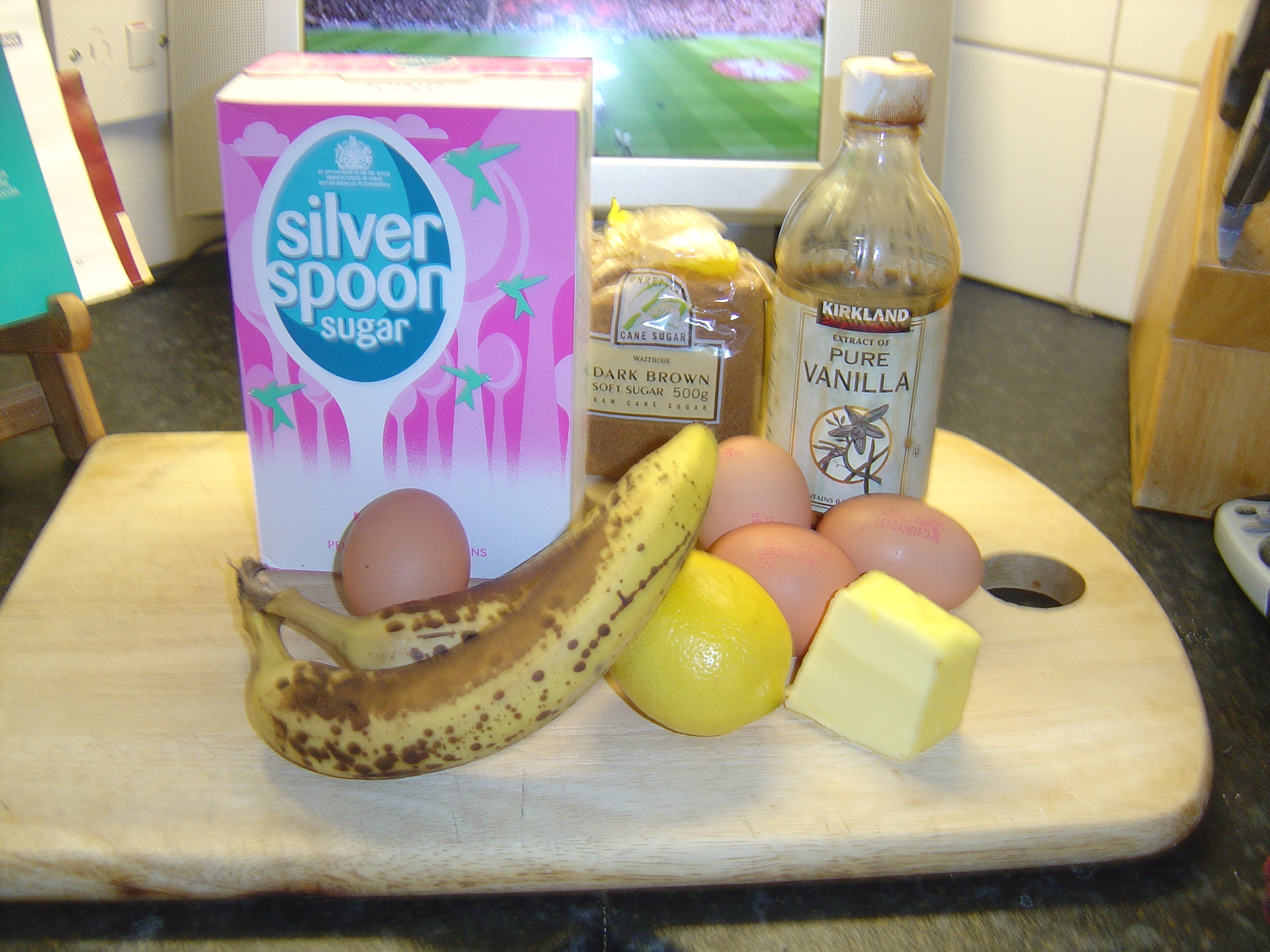
All you need isFor the soufflé:

  • 2 medium bananas, mashed with a little lemon juice
  • 4 egg whites
  • 110g/4ozs caster sugar

Butter to grease the dishes and icing sugar for dusting

For the toffee sauce:

  • 100g unsalted butter
  • 150g dark soft brown sugar
  • 125ml double cream
  • Seeds from a fresh vanilla pod or 1 teaspoon vanilla essence

Method:

  • Preheat your oven to Gas 6/Fan 180 non-fan 200
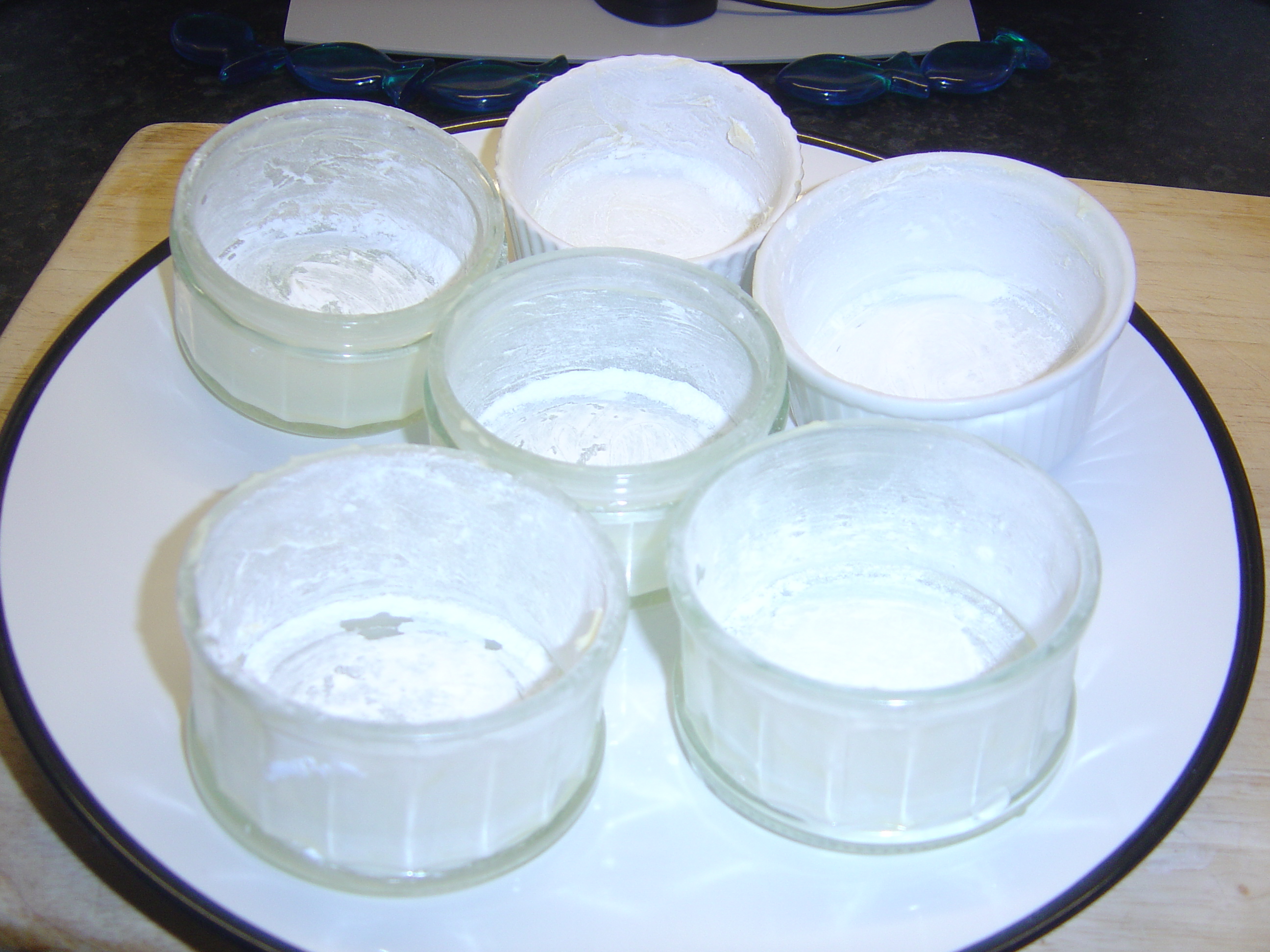
  • Generously butter 6 to 8 (depending on size) ramekins
  • Whisk the egg whites until they are stiff and leave peaks
  • Slowly add the sugar, bit by bit and whisk until really thick and shiny
  • Gently fold in the mashed banana with a metal spoon, taking care to keep as much air in as possible
  • Spoon the mixture in to the ramekins and then run either a knife or your finger round the edges (about finger nail width) so that they can rise
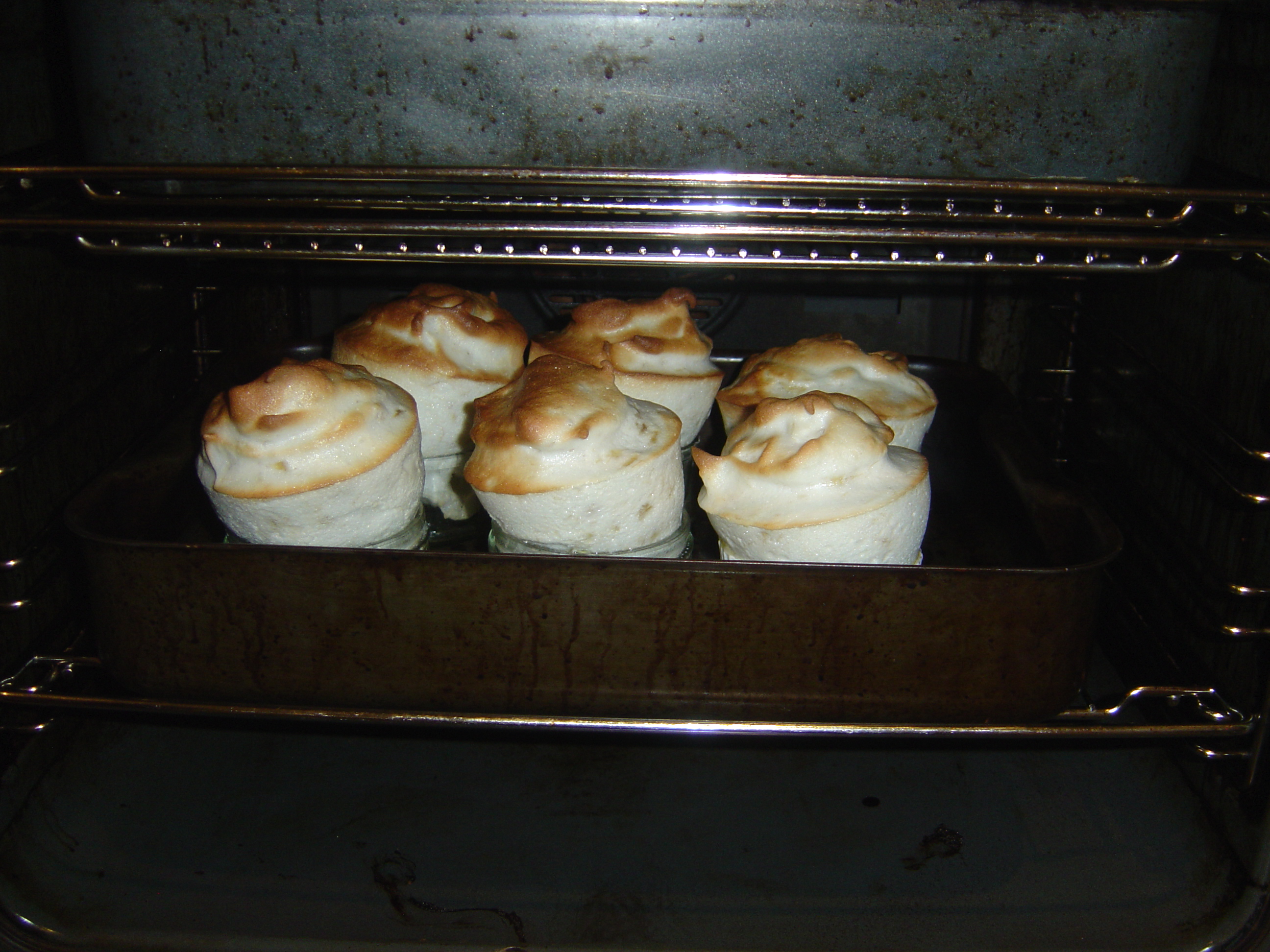
  • Pop them in the oven for 10 to 12 minutes or until they are well risen and browned
  • Whilst the soufflés are in the oven, make the sauce by melting the butter in a small saucepan over a low heat
  • Add the vanilla and brown sugar and stir for a few minutes until it has all combined and is lovely and thick
  • Stir in the double cream and it is ready to serve
  • Once your soufflés are ready, serve and then when they are at the table carefully make a hole in the top and pour some toffee sauce in to the centre reserving the rest for people to add as they wish. This is so easy and it also utterly delicious.  Try it!

What am I, Chopped Liver? Yes, actually.

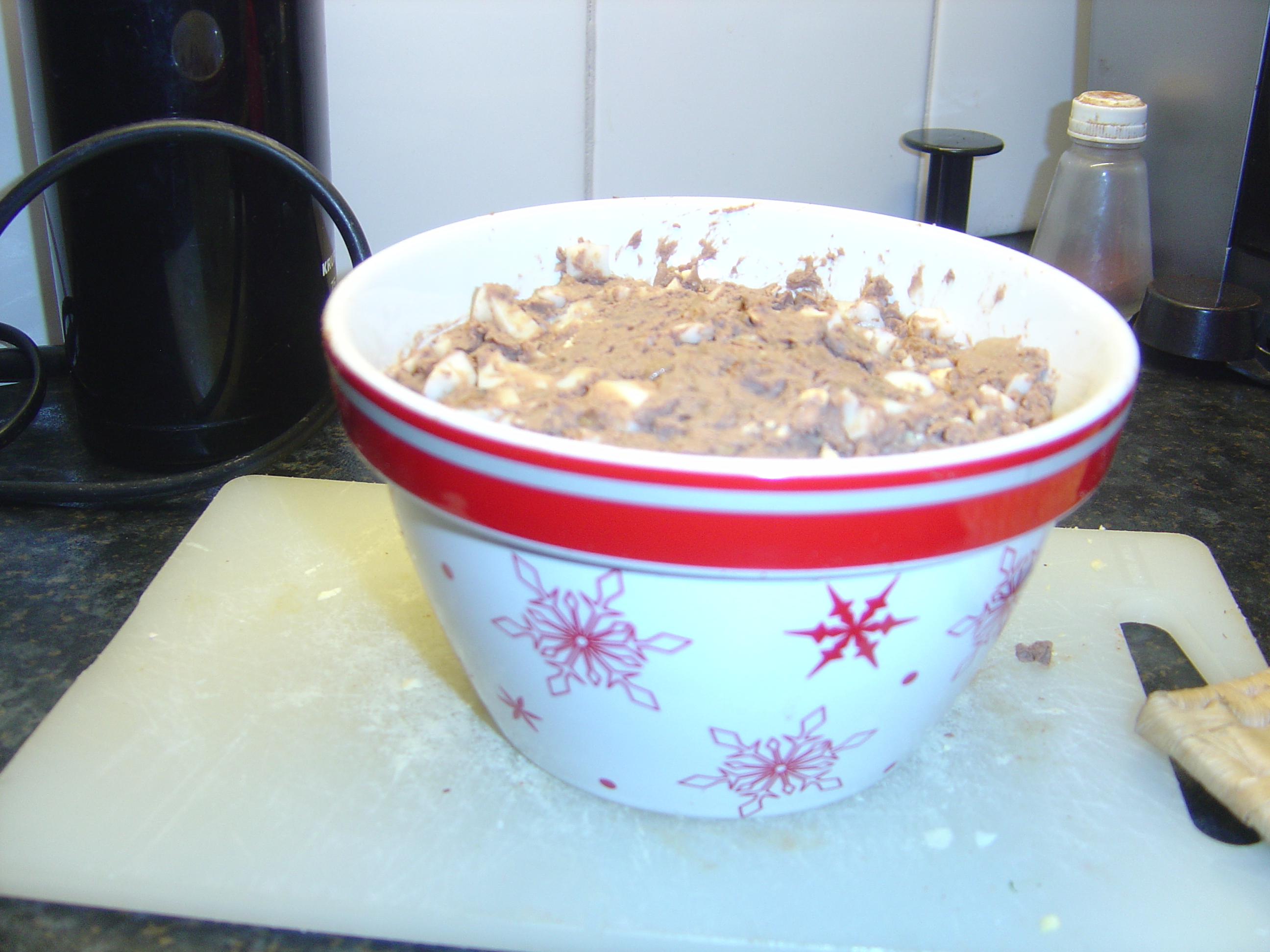
I was thoroughly inspired by my recent visit to Mishkin’s, and so all fired up with this new enthusiasm for Jewish deli food, I decided to try and make my own chopped liver. Now, I love chicken livers and I think they are a thoroughly underrated food as they are cheap, nutritious and frankly delicious. I know some people aren’t quite so keen, but if you like pate then try this is a good alternative to chicken liver pate, then you honestly will like this, too. I know this isn’t the prettiest looking dish I’ve ever cooked, but it is really tasty and also excellent if you are on a carb-free diet.  So to follow is my own devised recipe for chopped liver, I apologise profusely to all of those out there who will throw their hands in the air with horror, if I’ve committed some ghastly faux pas in my recipe. I don’t promise authenticity (how I wish I had a lovely Jewish Aunt to beg a recipe from), but I do promise it tastes good.

 Ingredients

  • 500g chicken livers
  • ½ pint strong chicken stock
  • 400g shallots or white onions ( I used shallots as I love the sweetness, sweet white onions are good, but ordinary onions okay too)
  • 1 tablespoon of chopped fresh sage (1 teaspoon dried)
  • 1 big fat clove of garlic or 2 smaller ones
  • ½ teaspoon of paprika
  • 100g butter
  • 3 hardboiled eggs, chopped finely
  • Salt and black pepper to taste

Method

  • Place the chicken livers in a saucepan with the chicken stock over a high heat
  • Bring to the boil and reduce the heat until they are gently simmering
  • Cook for 15 minutes then take off the heat, drain and allow to cool

  • In the meantime, finely chop the shallots, garlic and sage – try and do this as small as possible
  • Place the butter in a large frying pan and place over a medium heat until it bubbles

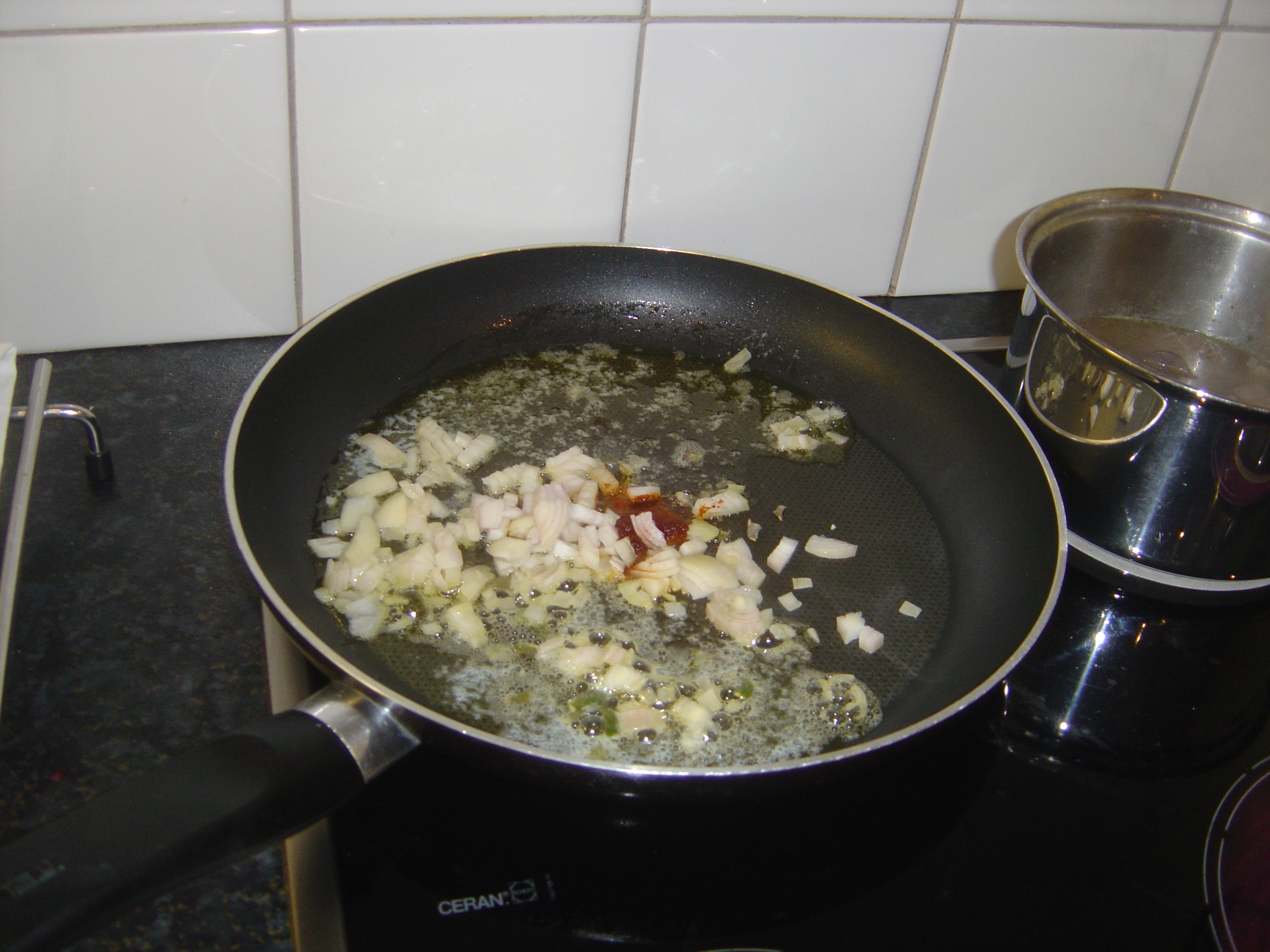
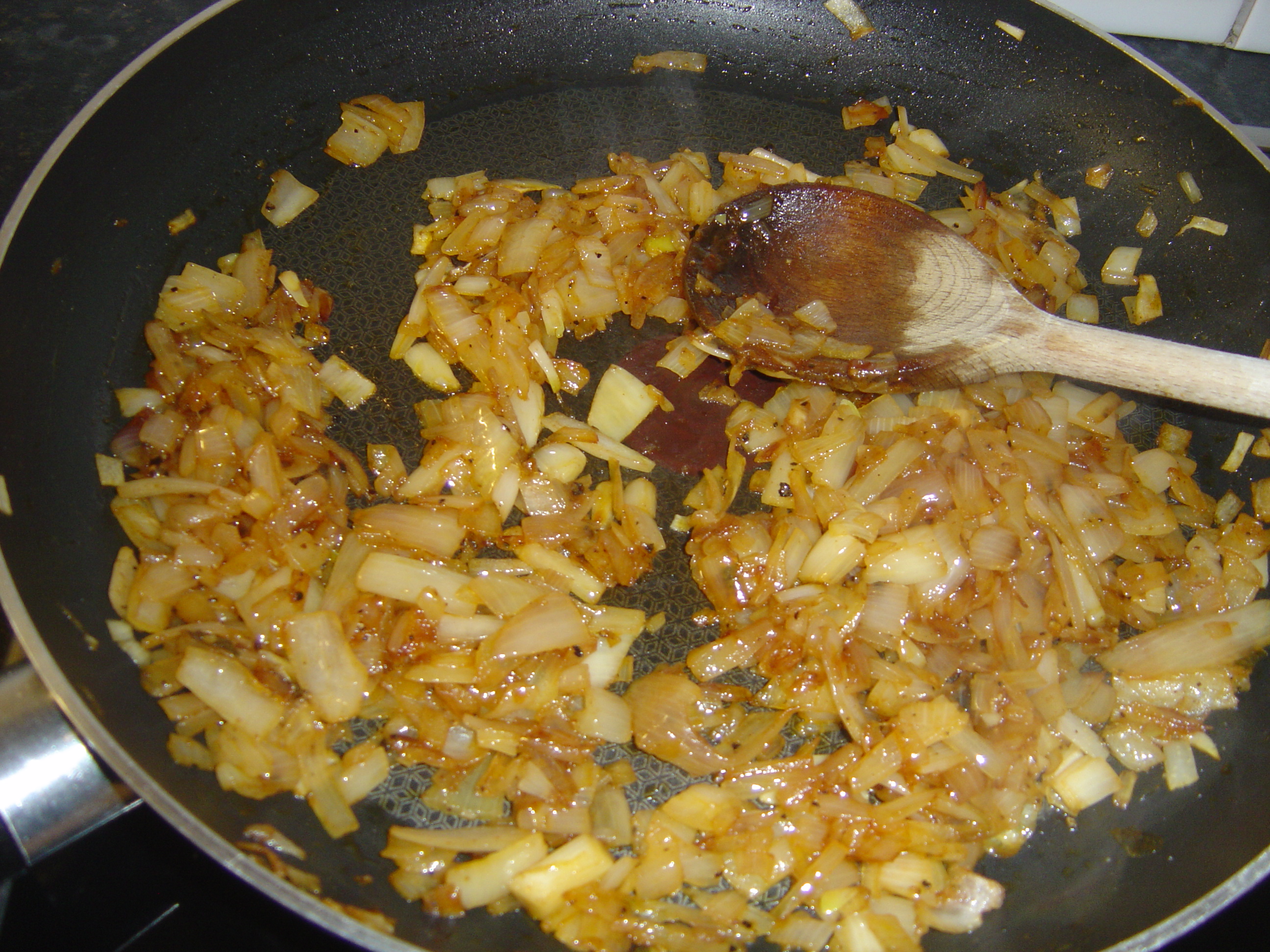
  • Add the shallots, garlic and sage and cook on a very low heat for about 30 minutes until the shallots or onions are caramelised and brown
  • Take off the heat and allow to cool

  • Using a hand blender, a food processor or a fork, mash up the livers until they are creamy.

Using a spoon mix the onion mixture in to the chopped liver

  • Gently fold in the chopped, hardboiled eggs and you’re done!

You can serve this any way you want.

I served it on bruschetta with finely chopped red onion, red chilli and fresh coriander and obligatory pickled cucumbers on the side.

Do try it, it is honestly, delicious! Well Les and Katy thought so!
Sweetcorn fritters – such versatile little chaps

Sweetcorn fritters can be just about anything you want them to be. They are brilliant with crispy bacon as breakfast food; lovely as  a quick vegetarian lunch with salad or we now have a tradition of serving these with our roast turkey at Christmas, but they are always stunning with roast chicken. You can even try them with a little chopped red chilli added as part of a mexican-style meal with salsa and sour cream.  The main base of these yummy little chums, is creamed sweetcorn, which isn’t always available, so whenever I see a can at the supermarket (Waitrose normally has them)  I always buy a couple to keep in my store cupboard.

They are absolutely best eaten hot and straight out of the pan, but you can cook them in advance and store in greaseproof paper, but I can’t pretend they are nearly as nice. You can make the batter in advance though which does help.  Here is my simple recipe:

Sweetcorn Fritters

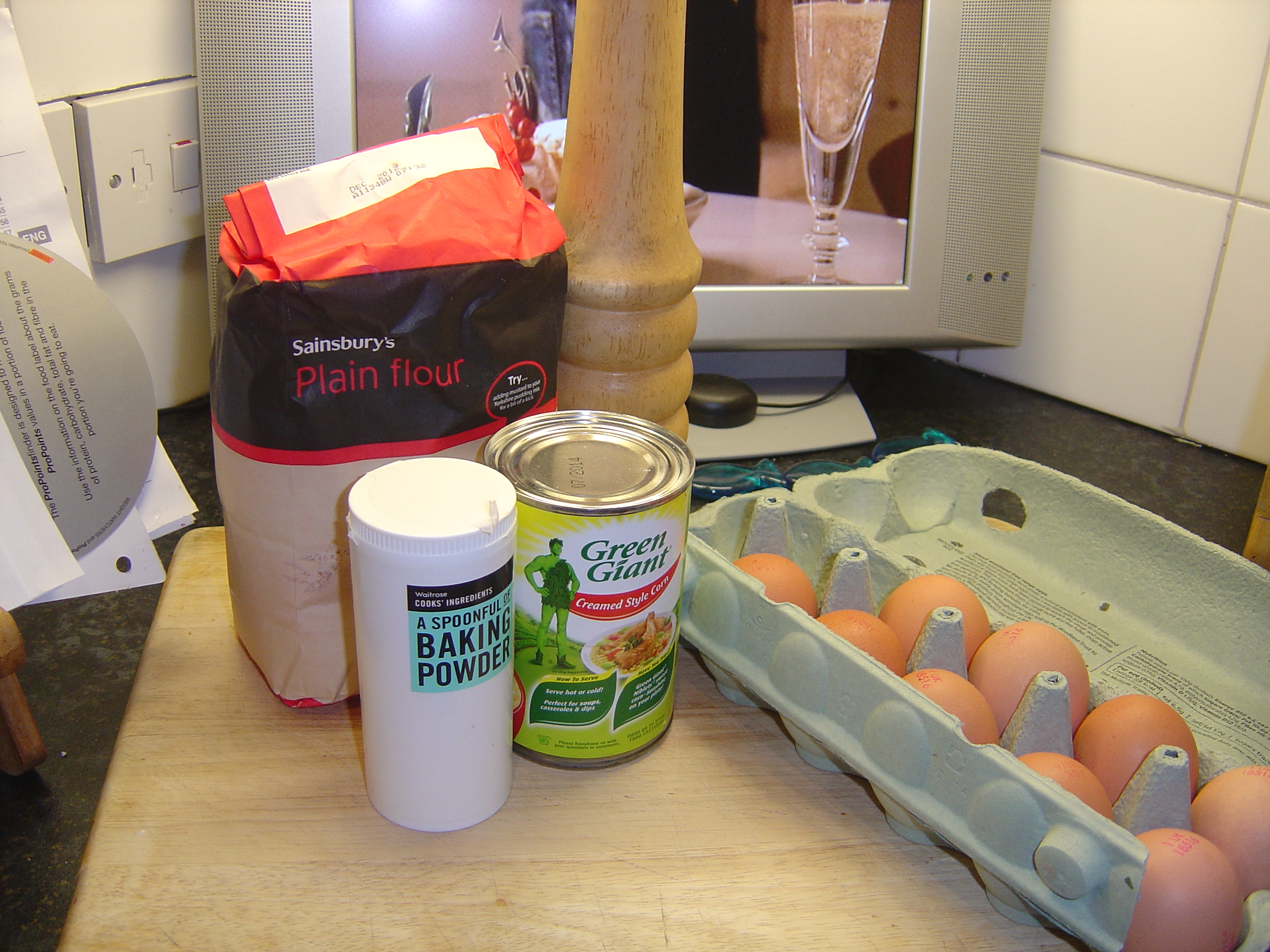
  •  100g plain flour
  • 1 teaspoon baking powder
  • a little salt and black pepper (to suit your tastes)
  • 1 large egg
  • 440g can of creamed sweetcorn (MUST be creamed, not just ordinary corn)
  • vegetable oil (not olive oil- it burns) for frying
  • A good non-stick frying pan

Method:

  • Mix sweetcorn, salt and pepper and the egg in a mixing bowl or jug  until they are well combined
  • Sieve in the flour and baking powder, holding the sieve nice and high so that as much air as possible gets in to the mixture
  • Fold in to the mixture, trying to keep as much air in as possible
  • Heat a little  oil in a hot frying pan.
  • Drop a few tablespoonsfuls of the  mixture into pan – they will puff up, so don’t do too many at once
  • Fry until a lovely golden colour, then flip to cook the other side
  • Drain on some kitchen roll and serve

If you are doing these for breakfast, they are lovely if you cook the bacon first, then cook the fritters in the bacon fat. Very naughty, I know or alternatively if you are being good, you can always use Fry-light.

Jam today, plus a brilliant sponge …..and please make it with English strawberries

Apparently this year’s crop of strawberries has been the best for years, and I have to agree that the flavour of them is amazing, so sweet and well, strawberry-ish! Apart from eating them with a touch of balsamic vinegar and vanilla sugar (try it, it’s delicious!) and of course, not forgetting putting them in to your glass of champagne, please make your own strawberry jam.  It is so easy to do, and you will be rewarded with beautiful jars of jewel-like jam that will give you pleasure every time you look at them and remind you of that beautiful summer flavour.

It couldn’t be more simple, all you need is:

 1kg fresh strawberries; 1kg preserving sugar (I sometimes use the type with pectin as a “belt and braces” approach”) and the juice of a lemon. 

  •  Wash and hull (that is pull out the stalk!)your strawberries,
  • Place in a saucepan over a low heat until they have gone soft and mushy
  • Add the sugar and lemon juice and when all the sugar is dissolved add a small knob of butter to keep the foam down

Boil rapidly for a few minutes until it has reached setting consistency (test it on a saucer with a little cold water on top).If you want to be absolutely sure it will set, you can cheat by adding half a bottle of commercial pectin at the end, but use 1.4kg of sugar at the start.

    • Sterilised jam jars

      Pour in to clean jam jars, that have been sterilised by placing in the oven on Gas mark 4, 180 electric for 10 minutes

    • Place small waxed circles on the top (this helps reduce the chance of them going mouldy) and place lids(sterilised in boiling water) on the top.
    • Label and store. they should keep for a year, but mine never last that long

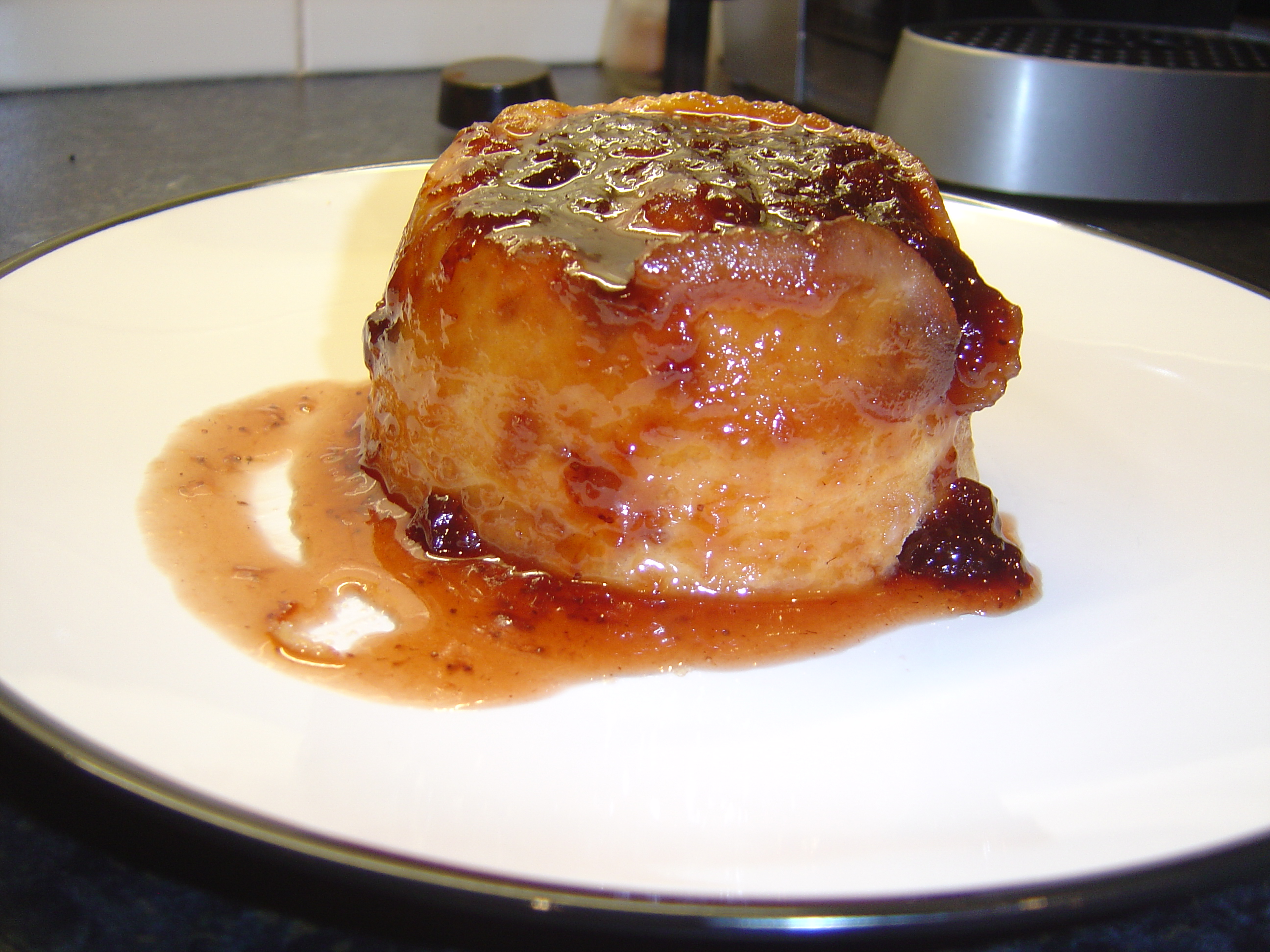
    The other really good thing to do with strawberry jam (or marmalade or any other kind of jam) is a microwave sponge pudding. It takes about 15 minutes and is like a cross between a steamed sponge and a cake. Served with custard or ice cream it is heavenly, but it doesn’t keep well, unfortunately so you have to eat it straight away. You will need:
  1. 50g unsalted butter
  2. 50g caster sugar
  3. 50g self-raising flour
  4. 1 large egg
  5. 2 tablespoons of buttermilk or yogurt
  6. 3 tablespoons of jam, marmalade or syrup
  7. A little butter for greasing the pudding bowl

Method:

  • Stick all ingredients except the jam in a mixing bowl and usign a handblender, mix until well combined.
  • Using a microwave safe pudding bowl, grease the dish first with a little butter
  • Add the jam, then place the sponge mixture on top
  • Cover the top with cling film and place in the microwave
  • Cook on full power for 3 to 4 minutes, but the top should start to look set
  • Leave to stand for 1 minute and serve hot

The Mussels from Brussels – a classic Moules Marinière

Why do I feel drawn to talk about Jean Claude Van Damme? Anyway, resisting the urge to mention tae kwon do expert C-listers (although I have to admit I did quite enjoy “Universal Soldier”), let’s talk about shellfish.

 I love mussels. I enjoy the whole ceremony of eating them, including those delicious decisions such as; do I pick them up with my fingers? Do I use one of the shells as a clever mussel-eating implement? Or do I try and avoid fishy fingers by using adeptly wielded cutlery? My advice, whether at home or in a restaurant is just dive in and enjoy. The Belgians and the French seem to know exactly how to cook them to perfection and so this is my version of the Mussels from Brussels.This is one of the simplest dishes ever, all you need is:

  • A bag of fresh mussels from your local fishmonger if you are lucky enough to have one or from the fish counter in your supermarket
  • 1 white onion, chopped
  • 30g butter
  • 2 cloves of crushed garlic
  •  1 or 2 celery stalks, finely chopped (optional)
  •  sprig of fresh thyme, a handful of chopped fresh parsley and a bay leaf.
  • You will also need 200ml of dry white wine or you can use cider as a really nice alternative.
  • Finally you can also add 120ml of cream at the end although then strictly speaking that turns the dish in to Moules a la Crème, rather than Marinière.

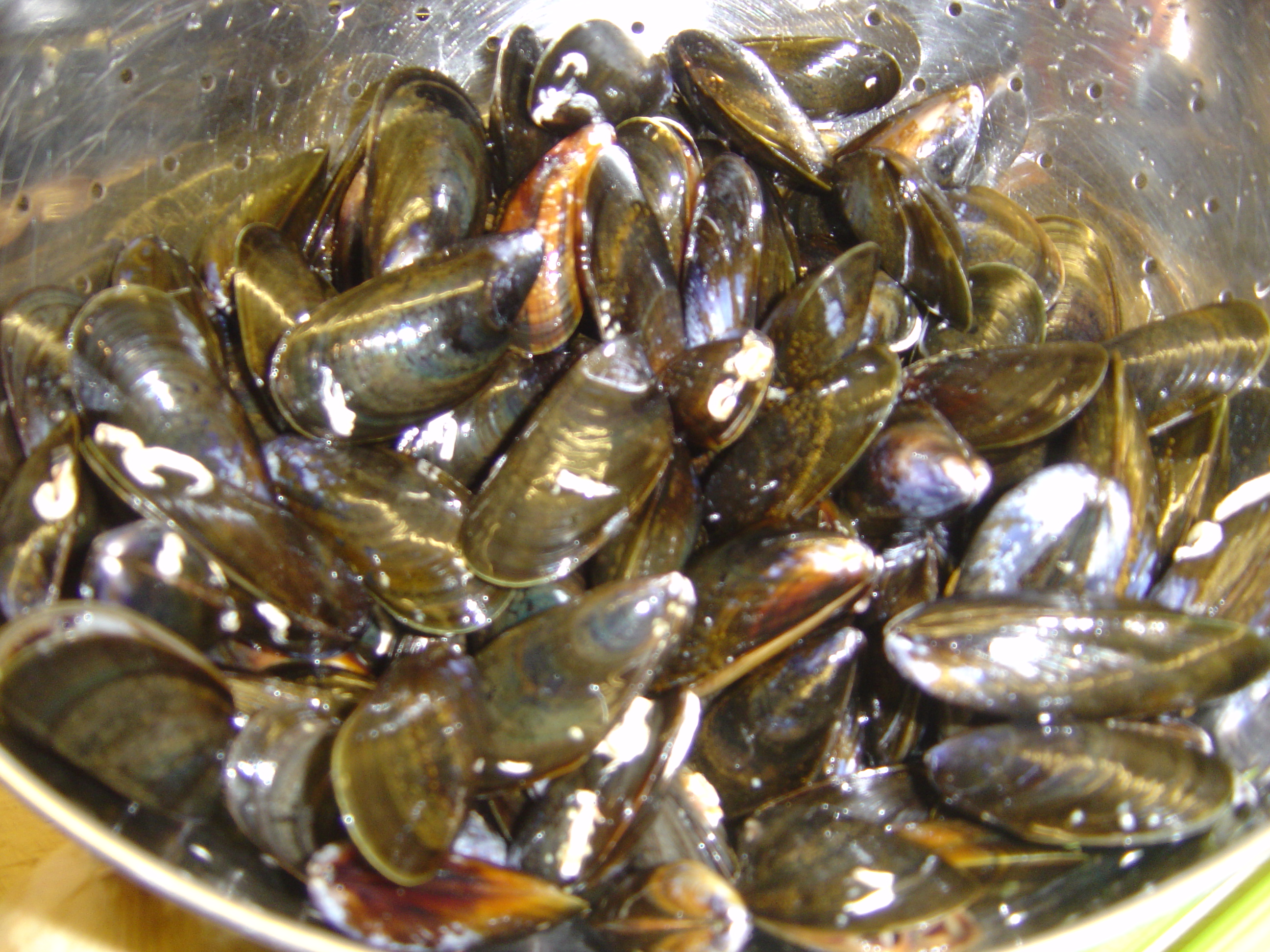
Method: First of all scrub your mussels and remove any “beards”, they are the funny stringy things shown in the photo on the left. Throw out any that are already open and do not close immediately when you tap the shell or have damaged shells. Wash them with cold water and place in a bowl until you are ready to use them. ,

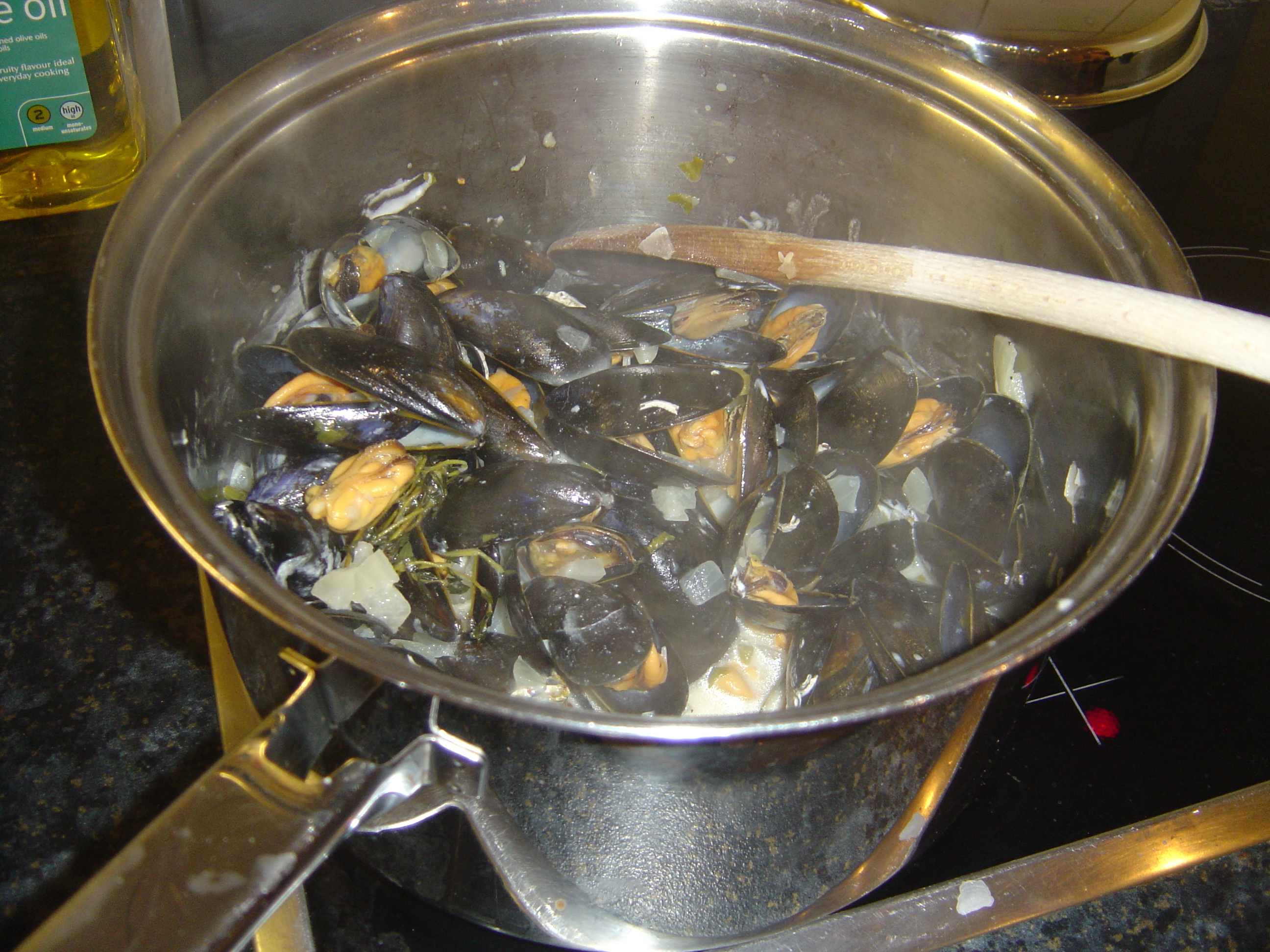
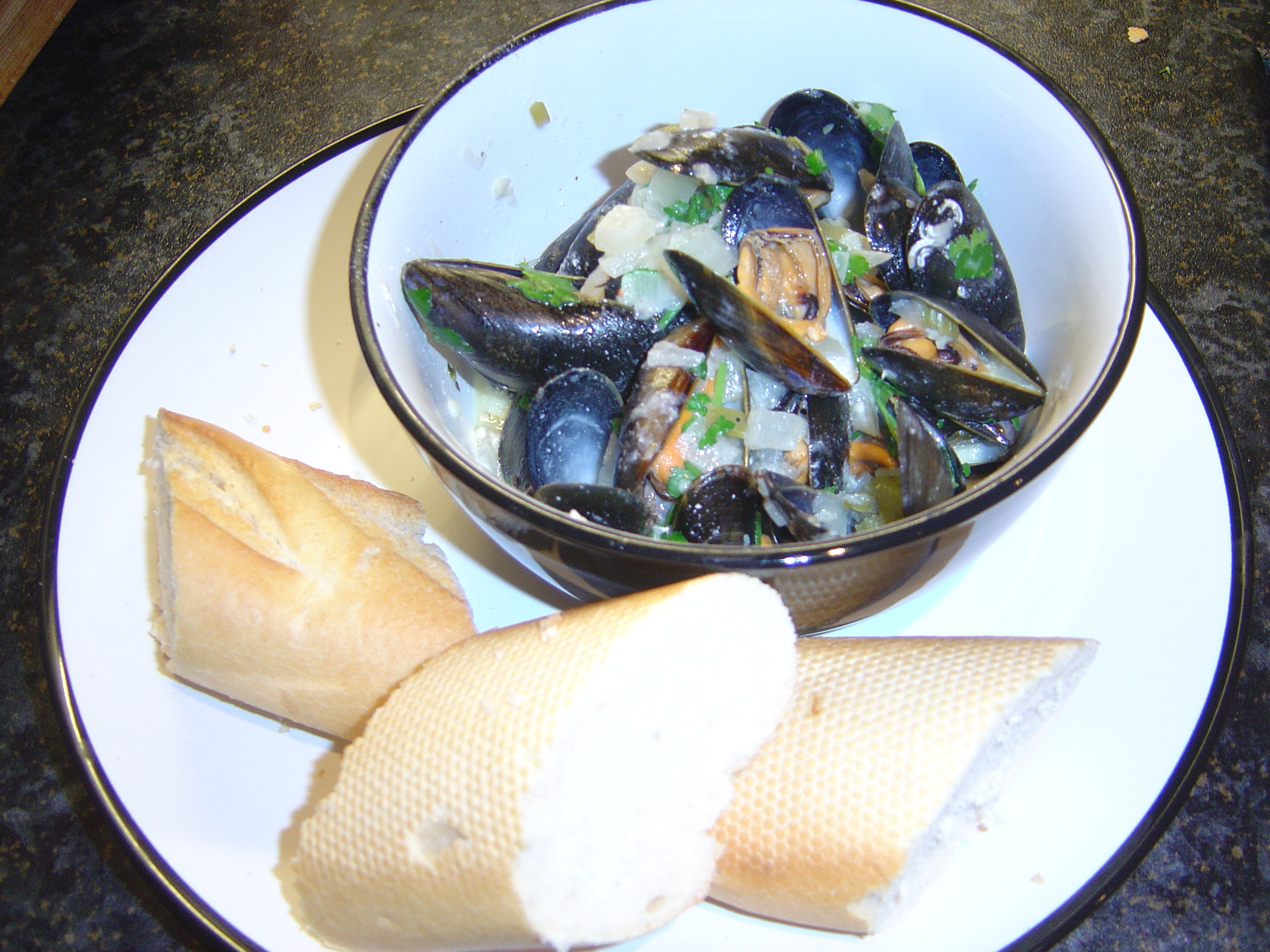
Place the butter into a saucepan that has a lid and put over a low heat on the hob. As the butter begins to melt, add the onions, celery (if you are using it) and the garlic. Cook for 3 to 5 minutes, stirring constantly until the onions become soft and translucent. Do not allow the butter or the onions to start going brown. Add the thyme and the bay leaf and the white wine. Bring to the boil and then reduce to a simmer. Add the mussels and shake the pan to cover them with the lovely liquid. Place the lid on the saucepan and cook for 4 to 5 minutes, shaking the pan to distribute the mussels evenly and remove from the heat when they are mostly all open. Remove any that are still closed shut and throw away. Add the chopped parsley and the cream if you want a richer tasting dish. Serve with some crusty white bread or of course a large bowl of frites and a glass of white wine. Enjoy!

The Complete Fajita treat…and it’s the low-carb version

I love Mexican food, and normally it is very carbohydrate heavy, but this week I have to admit I am extremely pleased with myself for this creation. Carbohydrate free fajitas, and honestly, they were delicious.

You will need: 1 large Iceberg lettuce, separated in to leaves, taking care to try and keep them intact. Juice of half a lemon                                                                                                            500g minced beef, 1 tablespoon vegetable oil,  1 chopped onion, 2 cloves of garlic, crushed, 1 diced green pepper, 2 chopped chillies (use the seeds at your discretion, depending on how hot you like it), 1 tin of tomatoes, 2 tablespoons of sundried tomato puree,1 teaspoon of paprika,  ½ pint strong beef stock

To serve: sour cream, grated cheese, salsa and guacamole, extra jalapenos if you want more heat.

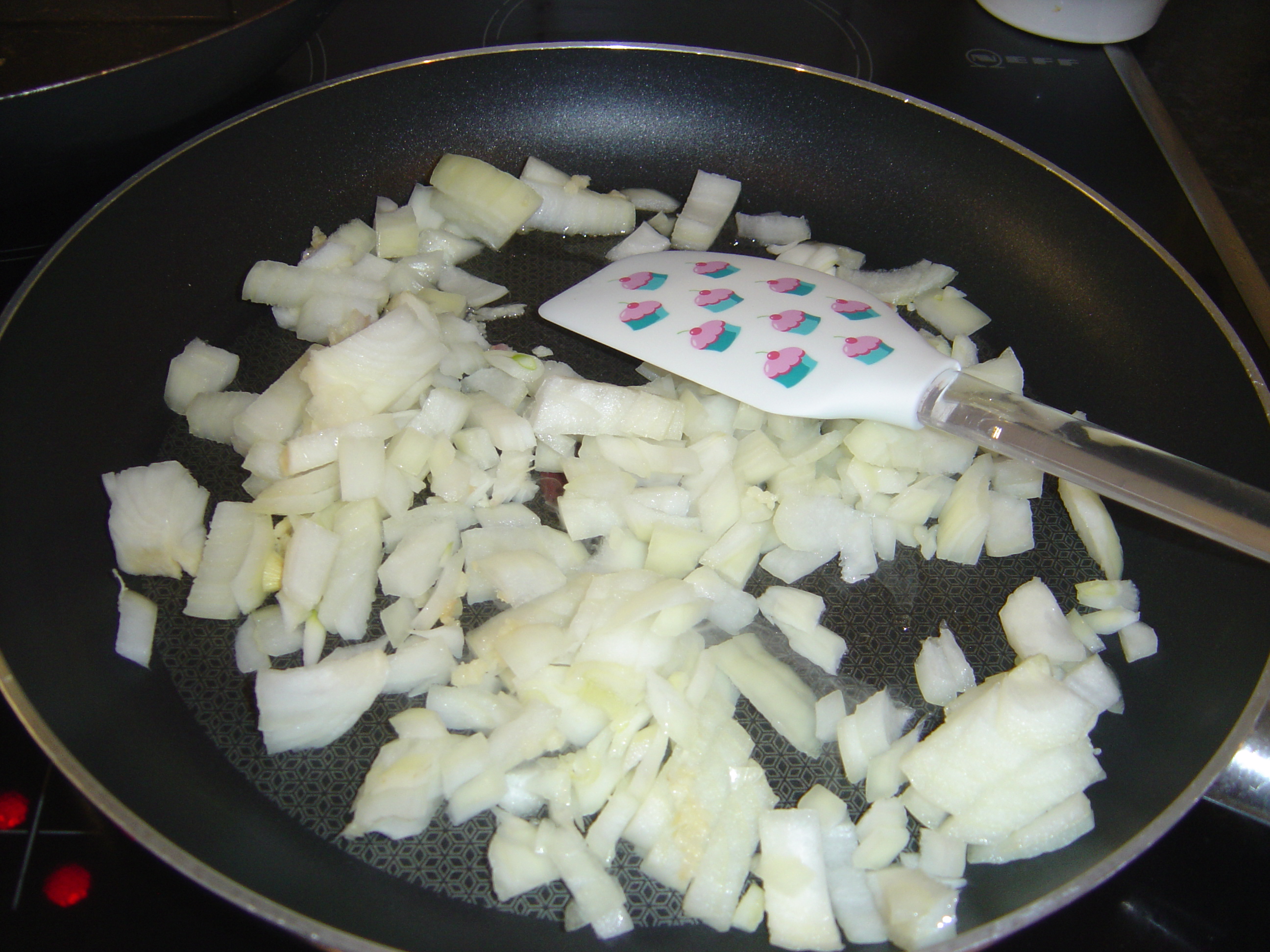
Method:For the filling:                                                                                                                         Place a heavy frying pan over a medium heat and add the olive oil. Add the onions and allow to cook for 5 to 10 minutes or until they start to brown. Add the garlic, chillies and the chopped peppers and cook for a further 5 minutes.Add the minced beef and fry for another 5 minutes or until the beef is browned

Add all the rest of the ingredients, stir well and reduce the heat to low and allow to simmer for 40 to 45 minutes or until the majority of the liquid has been absorbed

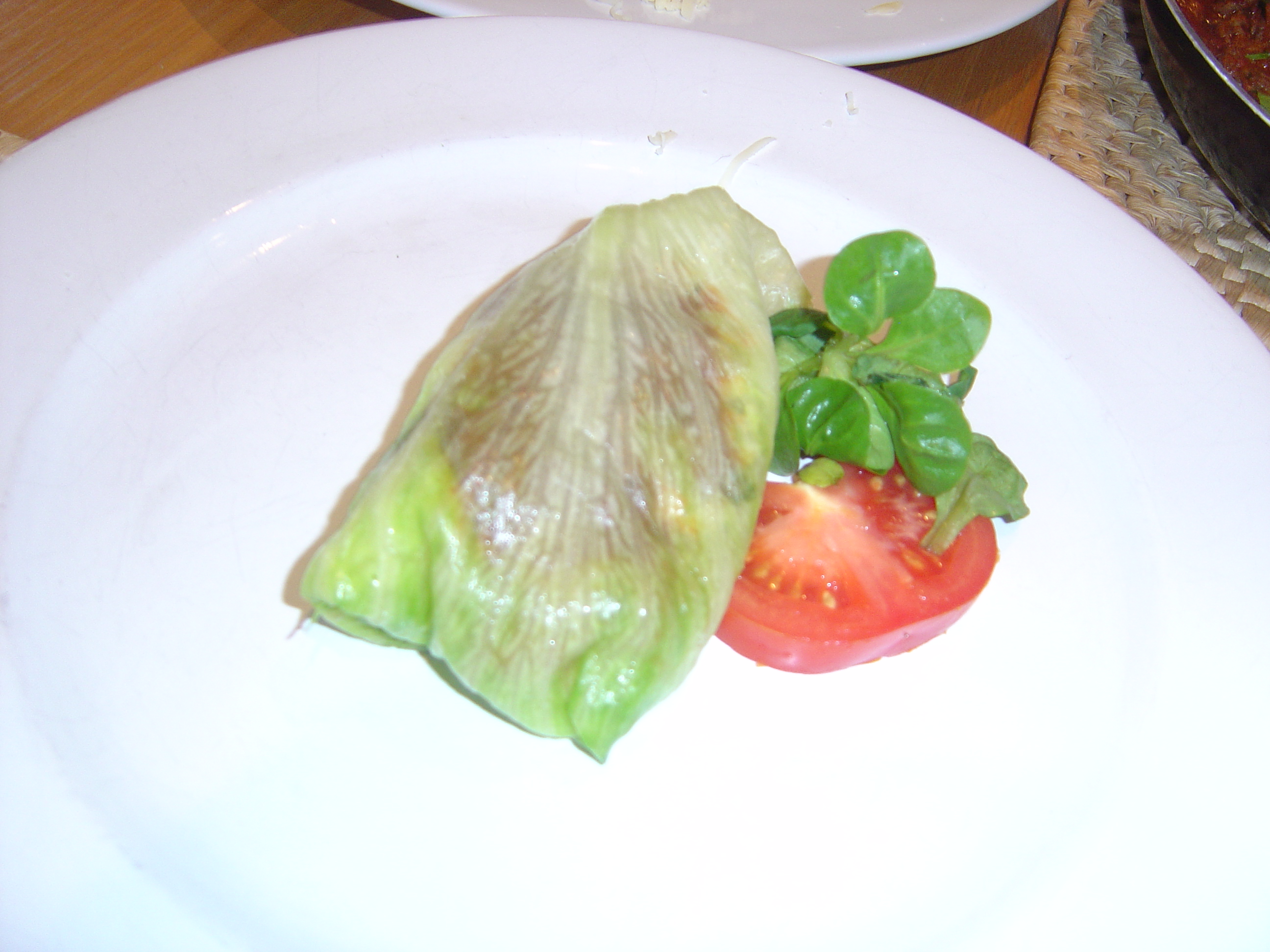
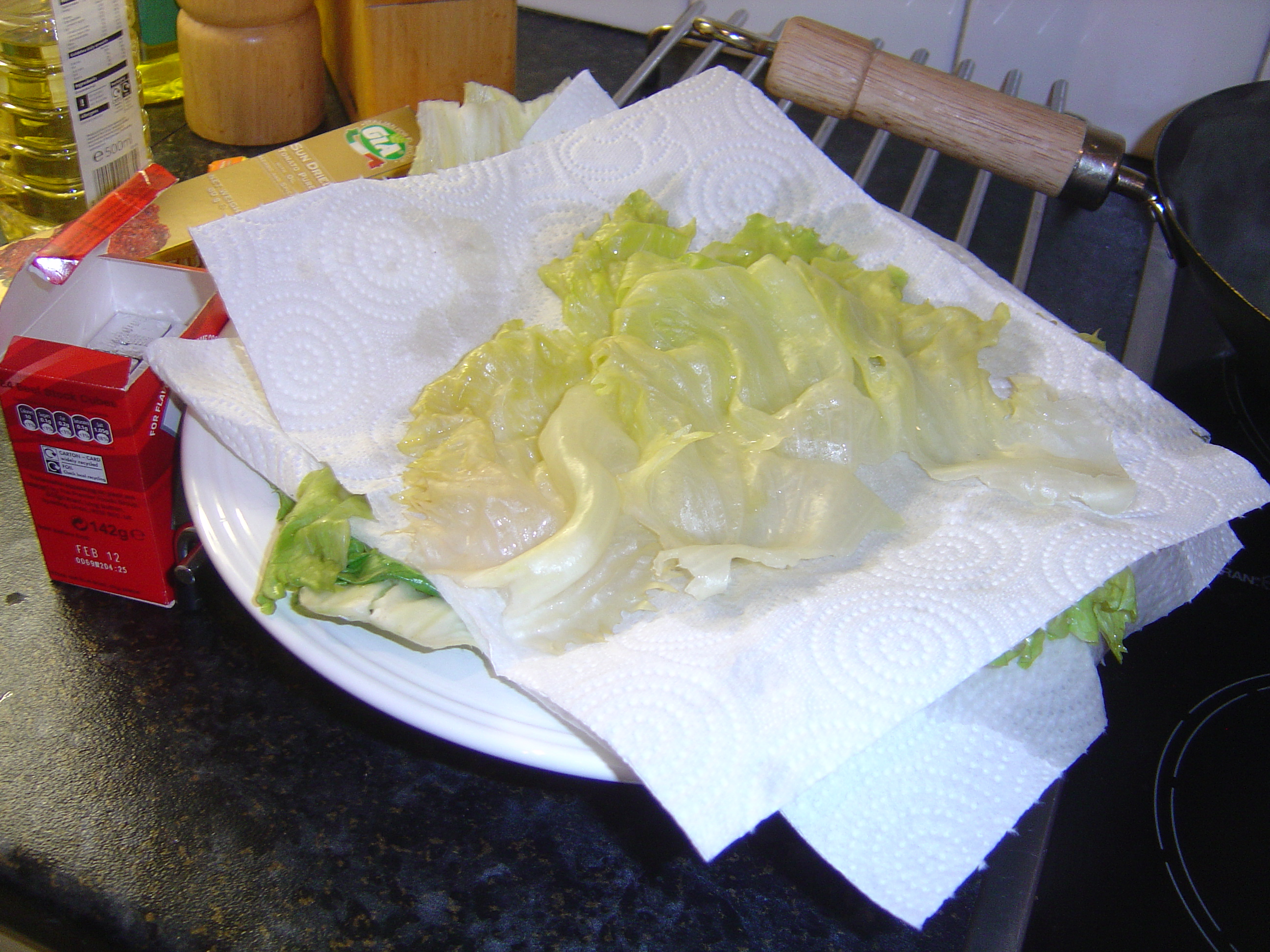
For the wraps: Whilst the mince is cooking, place a large saucepan of water on the hob and add the lemon juice

  • Carefully poach each lettuce leaf individually for 1 minute or until soft and pliable
  • Dry on some kitchen roll, and place like pancake on a flat large dish
  • They are now ready to use as your wraps

If you likr, you can make the accompanying dishes in advance, or buy them.

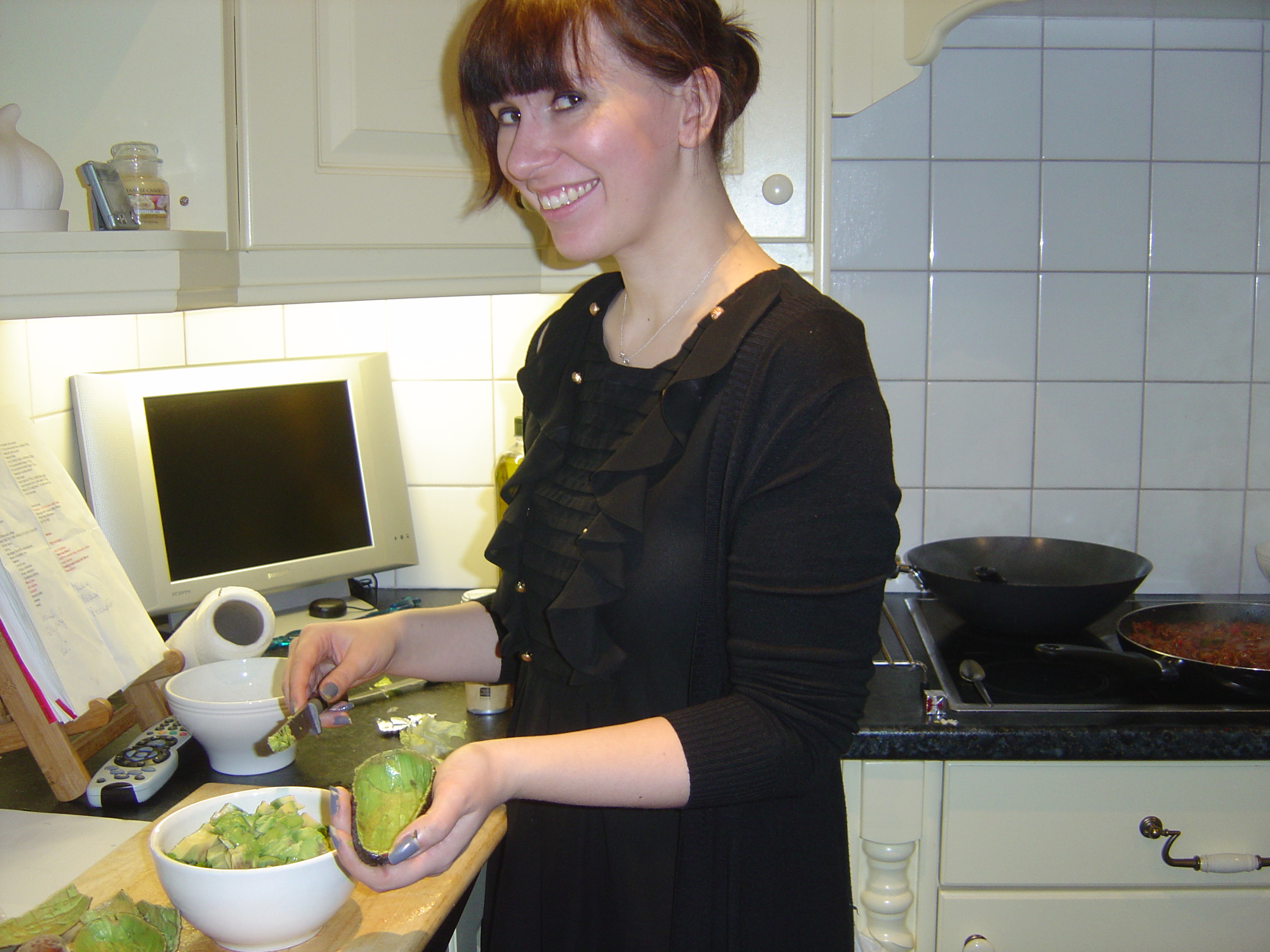
For a basic salsa: 250g/9oz fresh tomatoes, finely chopped, 1 small onion, finely chopped ( I like the sweet, white onions), 1 or 2 mild chillies, finely chopped, Juice of 1 lime, 1 tablespoon of chopped, fresh coriander  Method: Just chop ‘em up and mix!A really simple guacamole: 2 very ripe avocados, peeled and stoned, 1 clove of garlic, crushed, 1 tablespoon of olive oil, Juice of 1 lime, 2 spring onions, finely chopped, small tomato, diced, bunch of fresh coriander, finely chopped     Method:   Either place the avocados, garlic, olive oil and lime in a food processor and blend for a few seconds – not too long, you don’t want it too mushy or just mash with a fork if you liek ti chunky.   Place in a bowl and add the spring onions, tomato and coriander – add more lime juice to taste. So you’re all done, you now have all the constituents of a really lovely Mexican meal! Spread everything out on the table. 

Now let everyone to wrap their own fajitas, place all the other ingredients first and then add the mince and cheese.

Trust me, there were some very doubting people round that table who were self-professed lettuce haters, and they really enjoyed it. Oh yes, and a few tequila shots don’t hurt either! Ariba, ariba!

Lazy Sunday cooking…..Chicken with garlic and lemon gravy, gnocchi with sage butter and glazed carrots

This is one of my fastest and easiest Sunday lunches and has the advantage of not only being very basic, but it really does taste good! You can leave the chicken pretty much undisturbed and the carrots and gnocchi will only take minutes to cook. You don’t have to make the lemon gravy if you don’t want to mess around, it tastes good without.

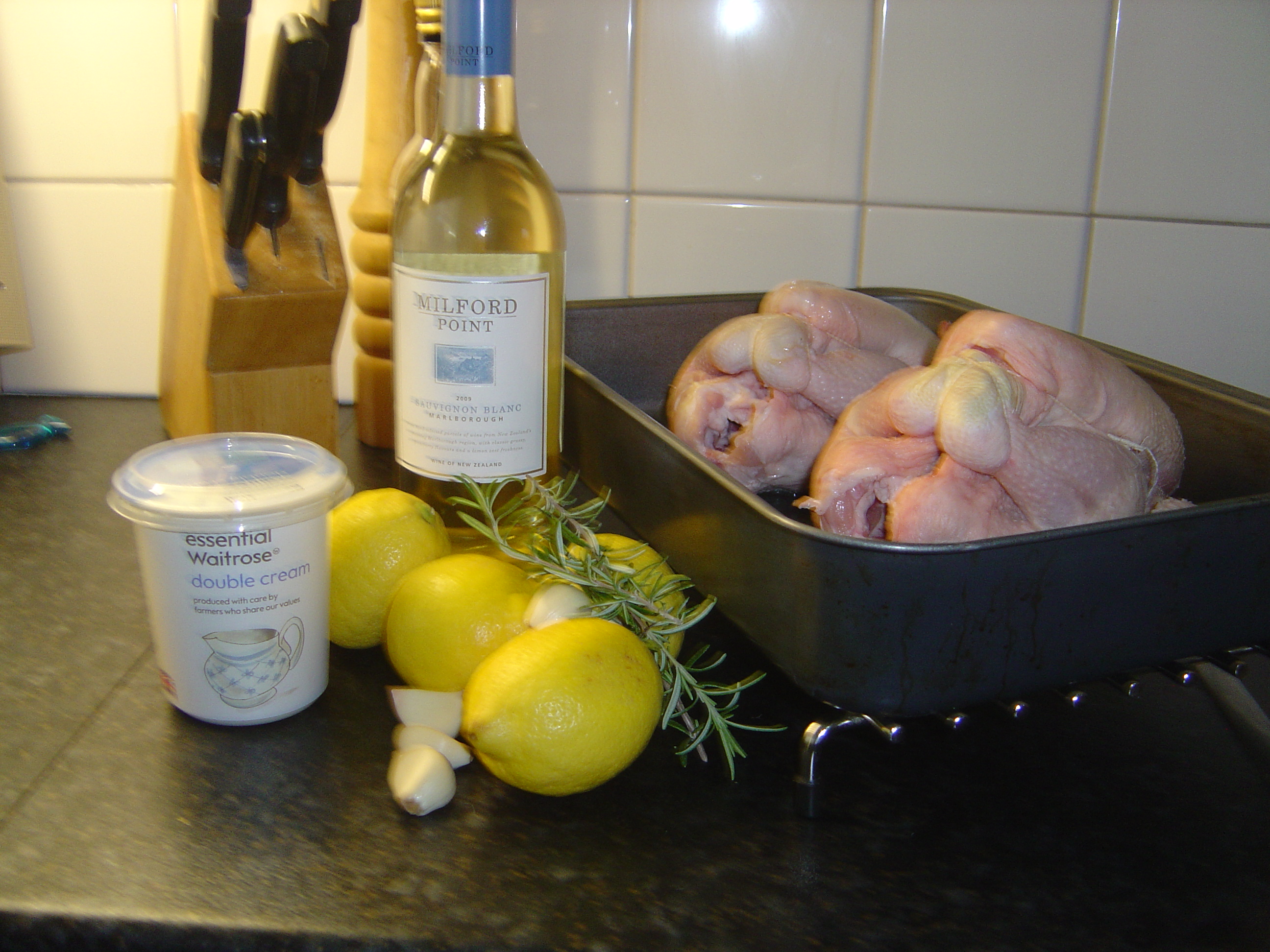
For the lemon roast chicken: You will need: 1 chicken, 1 tablespoon of butter, olive oil,  1 unwaxed lemon, a sprig of rosemary, 2 cloves of garlic, ½ pint chicken stock, small glass of white wine, 1 tablespoon of corn flour and a dash of cream. 4 rashers of bacon (optional)

 Loosen the skin above the breast of the chicken and slide the butter inside it, massaging it to get it as far down as possible. Then cut the unwaxed lemon in half and place along with the garlic and the rosemary inside the large cavity of the chicken.  Rub the outside of the chicken with a little oil and season with salt and pepper.

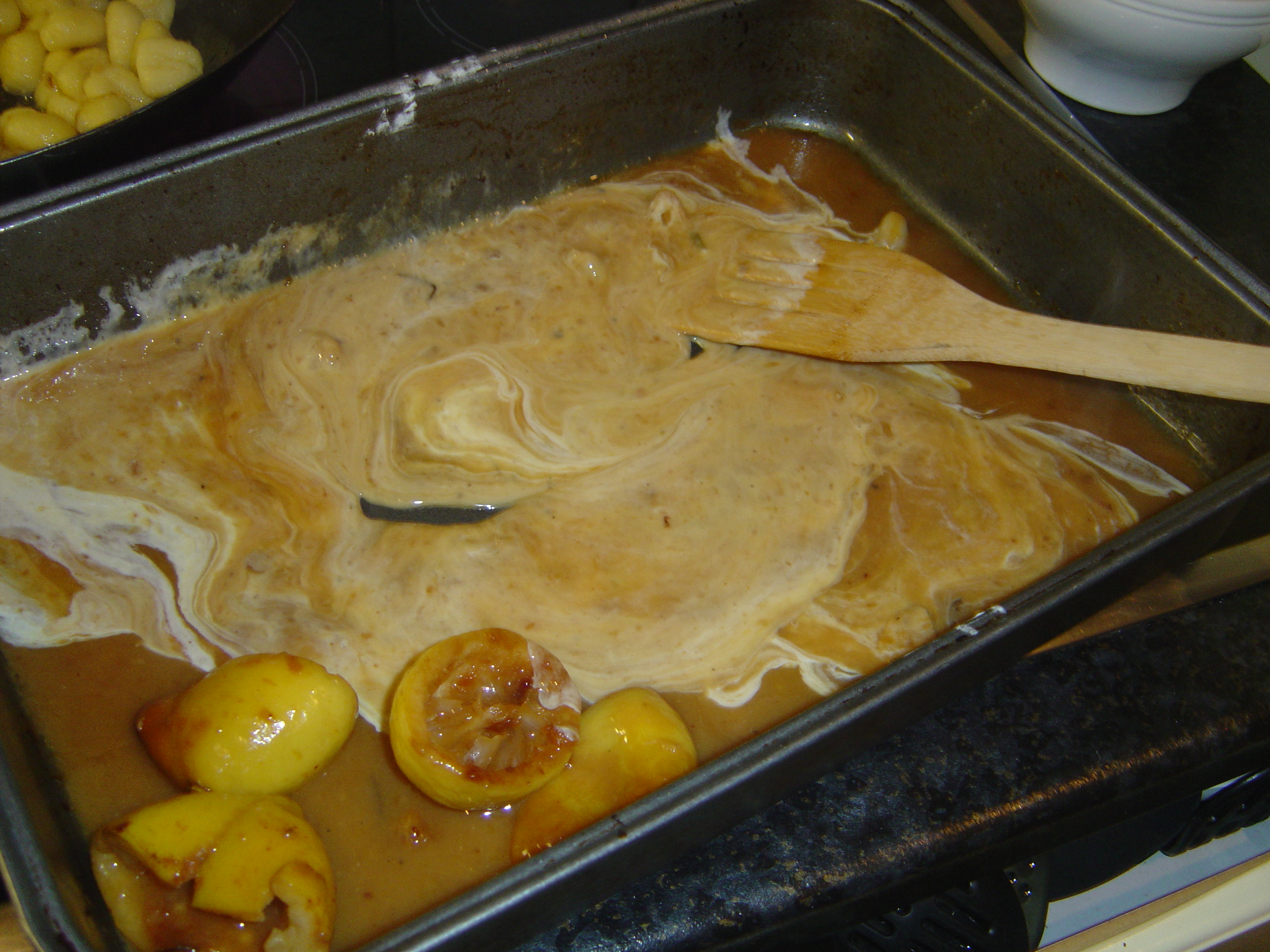
Cook chicken at 220C non fan/200C fan/gas mark 7 for 10 minutes, then turn the oven down to 190C/375F/gas mark 5 and allow 45 minutes per kg, plus 30 minutes. However, the real test of whether your chicken is cooked is if you stick a skewer in to the thigh joint and the juices run clear.  20 minutes  before the chicken is ready, place bacon on top if you wish and raise the temperature to Gas Mark 7, 220 degrees non-fan, 200 degrees fan.  Remove the lemon, garlic and rosemary from the chicken and leave with the cooking juices in the roasting pan.  Remove the chicken and leave for 30 minutes before serving.  Just before serving, place the roasting pan on the hob and on a medium heat stir the juices until they are brown and bubbling.( Don’t be tempted to squash the lemon too much or it will make your sauce too sharp!).  Remove the lemon, garlic and rosemary and add the corn flour, stirring rapidly. 

Add the wine and stock and allow to cook for a few minutes so that the flour cooks, and the alcohol doesn’t taste too raw. Add more water if too thick.   Set aside until you are ready to serve, heat at the last moment and add some cream.

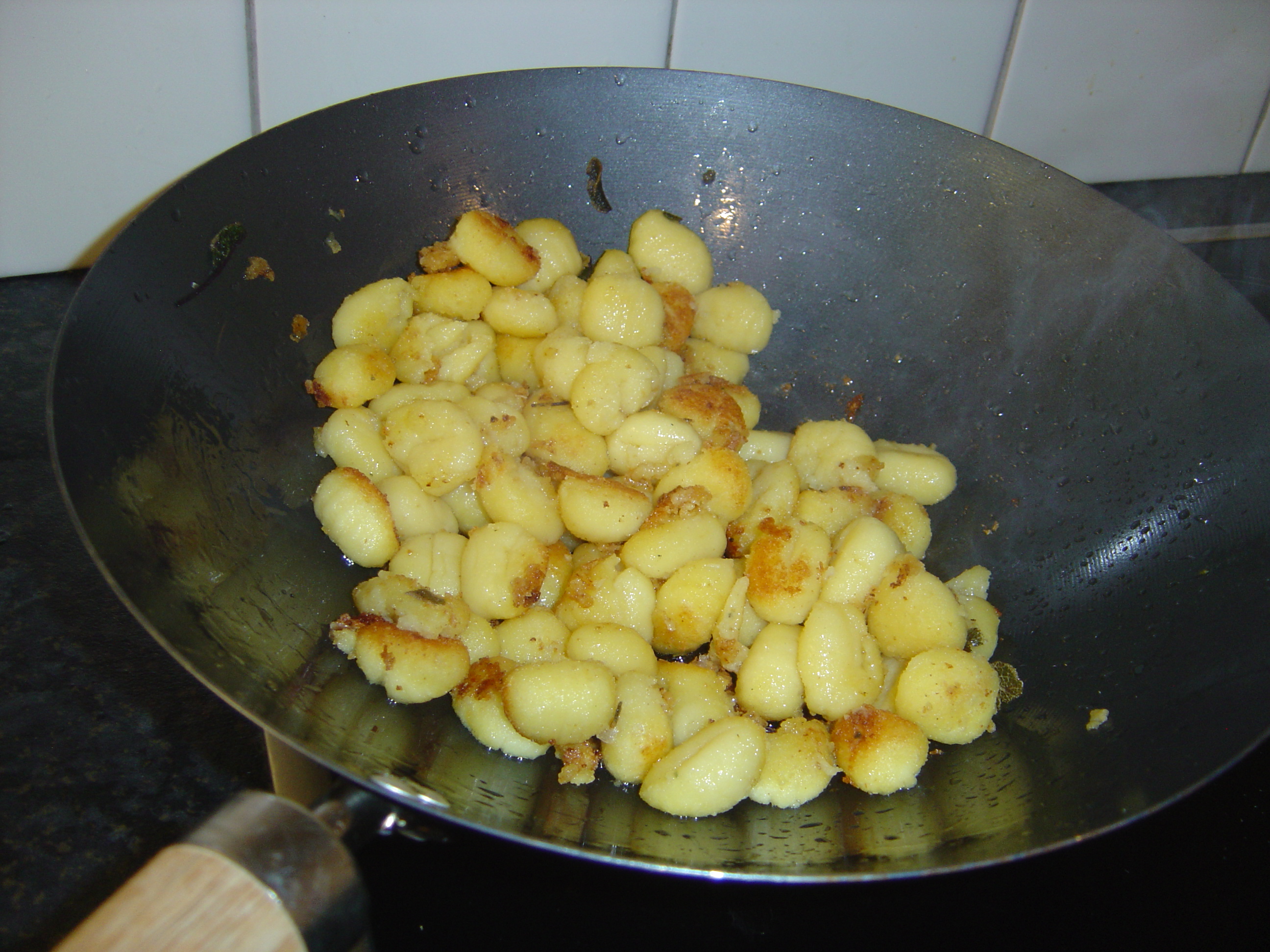
Meanwhile, whilst your chicken is “resting”For the gnocchi: 1 packet ready-made gnocchi, 2 tablespoons of butter and 1 tablespoon of sage leaves,  salt and pepper to tast.  Place the butter in a wok or a frying pan.  When it is hot and bubbling add the sage and the gnocchi and pan fry stirring constantly, until the gnocchi are golden brown.  Add a sprinkle of sea salt taste and they are now ready to serve

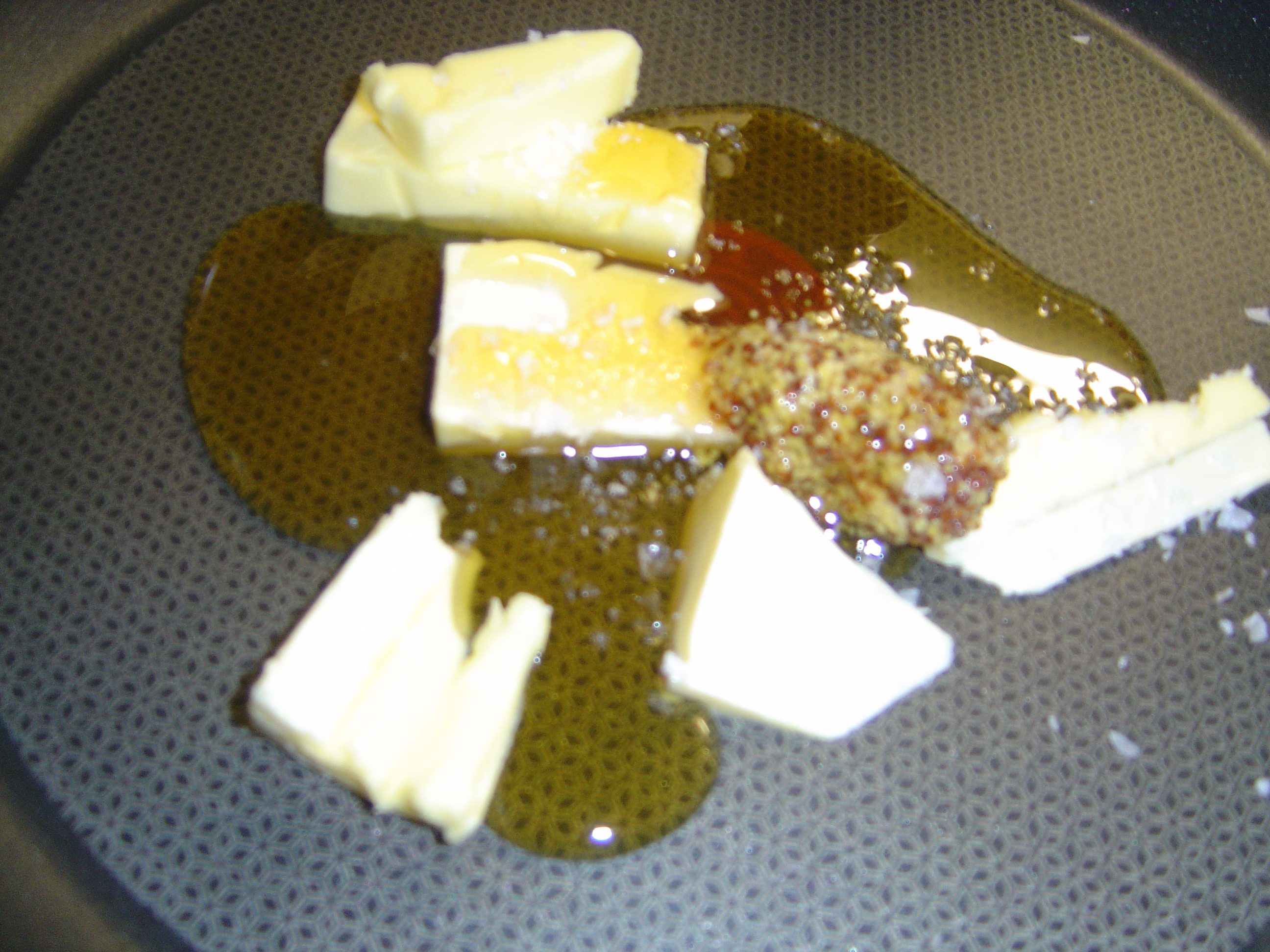
For the carrots: Chantenay carrots: 1 tablespoon butter, 1 tablespoon honey, 1 teaspoon wholegrain mustard.  Boil carrots in a saucepan for 5 minutes, then drain.  In the saucepan add 1 butter, 1 tablespoon of honey and 1 teaspoon of wholegrain mustard and place back on the heat until it is bubbling.  Add the carrots and toss them in the mixture until they are well coated

All of these things are quite rich, so I also like to have just a very plain boiled or steamed green vegetable on the side, such as broccoli or green beans…and of course a large glass of sauvignon blanc!

Passionate about Puddings…Marmalade Bread and Butter Pudding

Marmalade Bread and Butter Pudding

Well, it’s Sunday again and I have woken up determined to cook a traditional British Pudding to follow our garlic and rosemary roast lamb. Don’t ask me why, but these things just get me sometimes! Today I am passionate and pudding-driven – do you think that’s a recognisable mental ailment? Probably, and even my childish delight at a little alliteration is probably right up there, too!
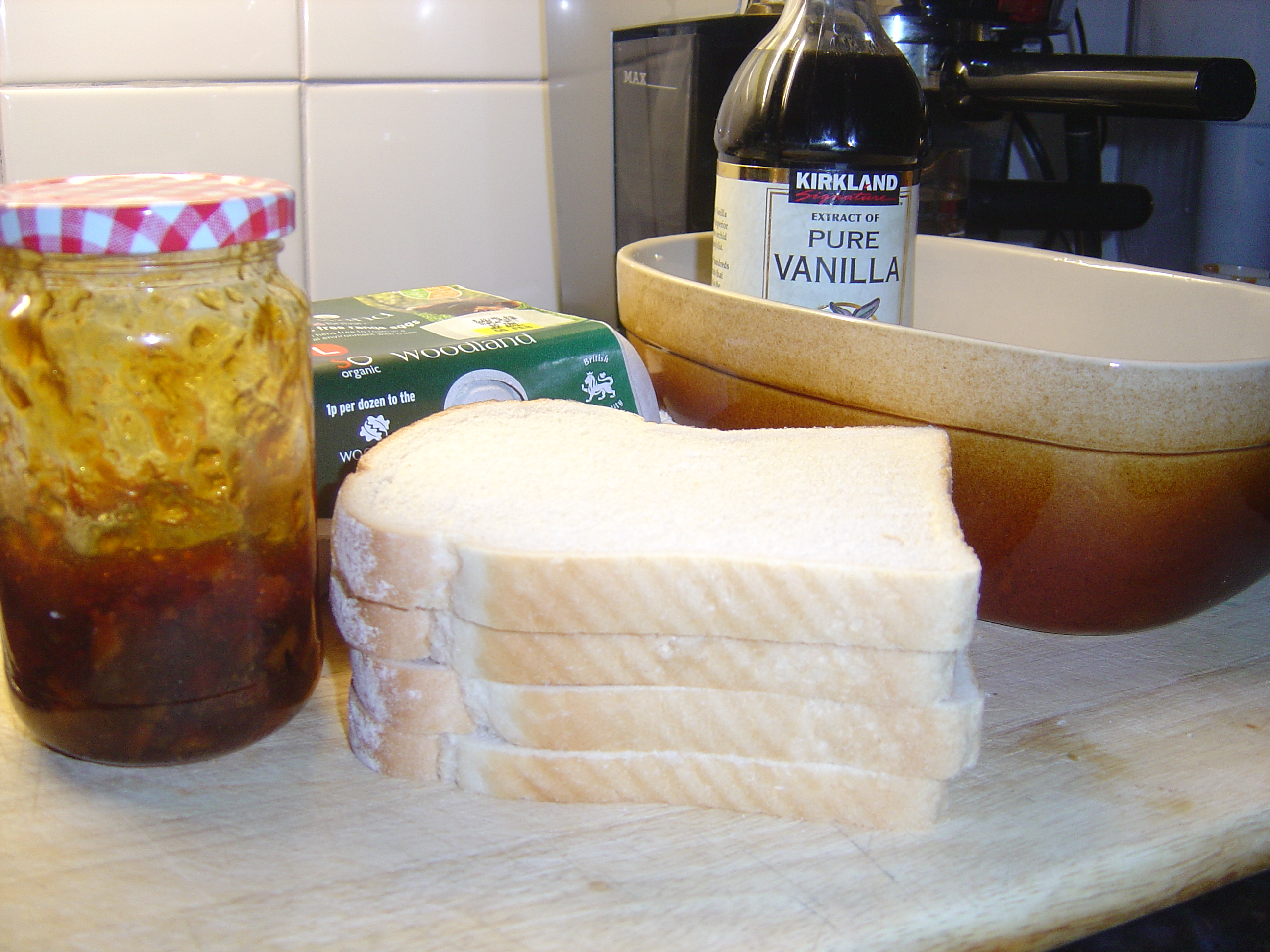
So what’s it to be? My friend Joyce makes wonderful Bread and Butter pudding and given I have half a loaf of white bread knocking around, from when I was too lazy to go to Waitrose to buy any decent stuff and went to the garage instead, this seems the perfect solution. However, I spy a bottle of my home-made marmalade (Seville orange recipe to come next week!) and wonder what will happen if I combine the two. Let’s find out shall we?

You will need: 6 slices of white bread with the crusts cut off, butter, marmalade, a handful of raisins, 1 tablespoon of Demerara sugar (use white granulated if you haven’t got any), 15fl ozs milk, 1 teaspoon vanilla essence, three eggs, 1 tablespoon of caster sugar.

Method:

  • Grease a shallow baking dish with a little butter
  • Spread the bread generously with butter and then marmalade and cut in to quarters
  • Place half of the quarters on the bottom of the baking dish (marmalade and butter side up) and sprinkle a few raisins over them
  • Place the remaining bread quarters on the top, marmalade side up and sprinkle with a few more raising
  • Whisk the caster sugar in to the milk, and continue to whisk in the eggs and the vanilla essence
  • Pour all over the bread slices and top with sprinkled Demerara sugar
  • Cover with cling film and leave aside for at least 30 minutes to allow the custard mixture (yes, that’s what you’ve just made!) to soak in to the bread
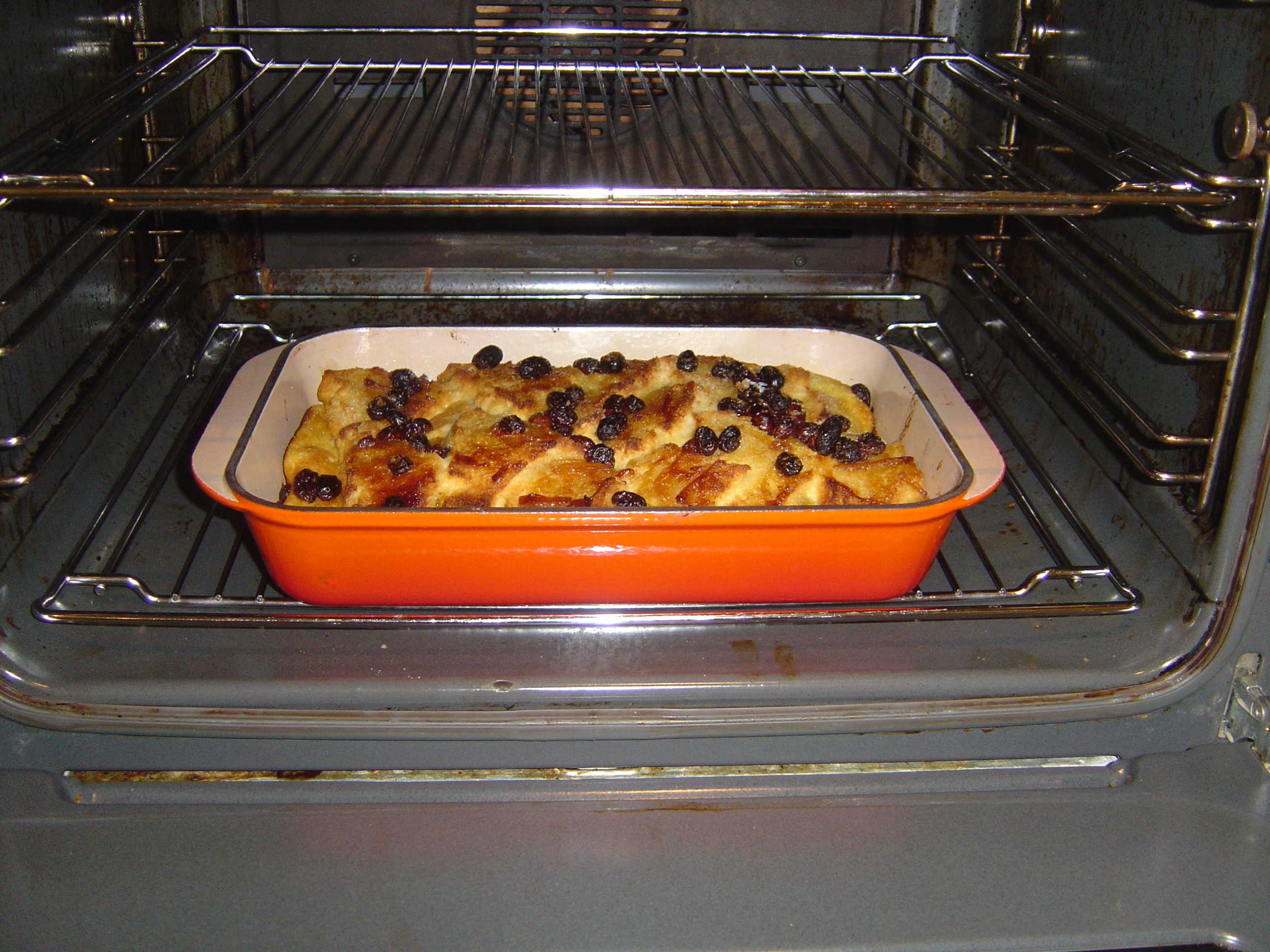
  • Place the dish in the oven, Gas Mark 5, 190 degrees non-fan, 170 fan for 30 to 45 minutes or until the top is all crispy and caramelised. Serve with plain vanilla ice-cream. This was SO simple to do and tasted just delicious, other alternatives would be to mix a little whisky in with the marmalade, or add some chunks of crystallised ginger.

Stew and Dumplings, an ultimate Sunday pleasure

What do you need to perk you up on a miserable January Sunday? Well, I can think of a lot of things, but once we’ve discounted all the immoral, illegal and improbable options, at the top of my list is comfort food.  Now you can’t beat a good Sunday roast (why, oh why did Nicole Kidman do that to that poor child??) but sometimes, you need stew and not just any old stew, you need stew and dumplings. So drag out your faithful Le Creuset casserole dish (if you haven’t got one, buy one, it is a kitchen essential) and prepare to make stew. As this is post-Christmas we are unfortunately going through that terrible trauma called dieting, so this is my low-ish fat version, I haven’t compromised on the bacon lardons, the added texture and flavour is just too important, but I did use light suet. The chief thing I omitted was coating the beef in seasoned flour and frying prior to adding to the casserole, which is lovely, but you really won’t miss it too much. Additionally, you could use just liquid beef stock rather than the red wine I used.

Kim’s Healthy (ish) beef stew – Serves 4. This is not an exact science, but I reckon this would be around 600 calories per serving   You will need:

  • 500g good stewing beef
  • 50g of diced pancetta or smoked bacon lardons,
  • 1 large onion, chopped
  • 2 crushed garlic cloves
  • bouquet garni (homemade or shop bought, see method for making your own below)
  • 1 chopped leek
  • ¾ bottle of red wine
  • Beef stock cube or 1 of those little Knorr jelly ones (note, they are very salty so don’t add additional salt until you have tasted it at the end)
  • For the dumplings
  • 100g flour,
  • 50g suet – you can get vegetarian or light if you prefer
  • ½ teaspoon mixed herbs

Method: 1) Place the pancetta or bacon lardons in the bottom of your casserole and place over a medium heat on the hob, they will start to brown and will throw off a little oil. 2) Add the onions and the garlic and continue to cook, stirring occasionally until the onions are softened and brown.

3) Add the beef and cook, stirring until it is browned all over

4) Add the stock, the bouquet garni, red wine and  leeks 5) Bring to the boil and then place a tight fitting lid on top and place in the oven for 1 ½ hours at Gas Mark 4 or 160 degree Fan assisted 180 degree not.

In the meantime make the dumplings by mixing the flour, suet and herbs together and adding just enough cold water to make a stiff mixture. Divide in to 6 balls. Finally, place on top of the stew and put in the oven for a further 20 minutes, keep the lid on firmly for the whole of the cooking time, don’t open it up and let out the steam.

You are now ready to serve, with just plain, steamed vegetables if you want to keep the calories down or with lovely buttery mash.

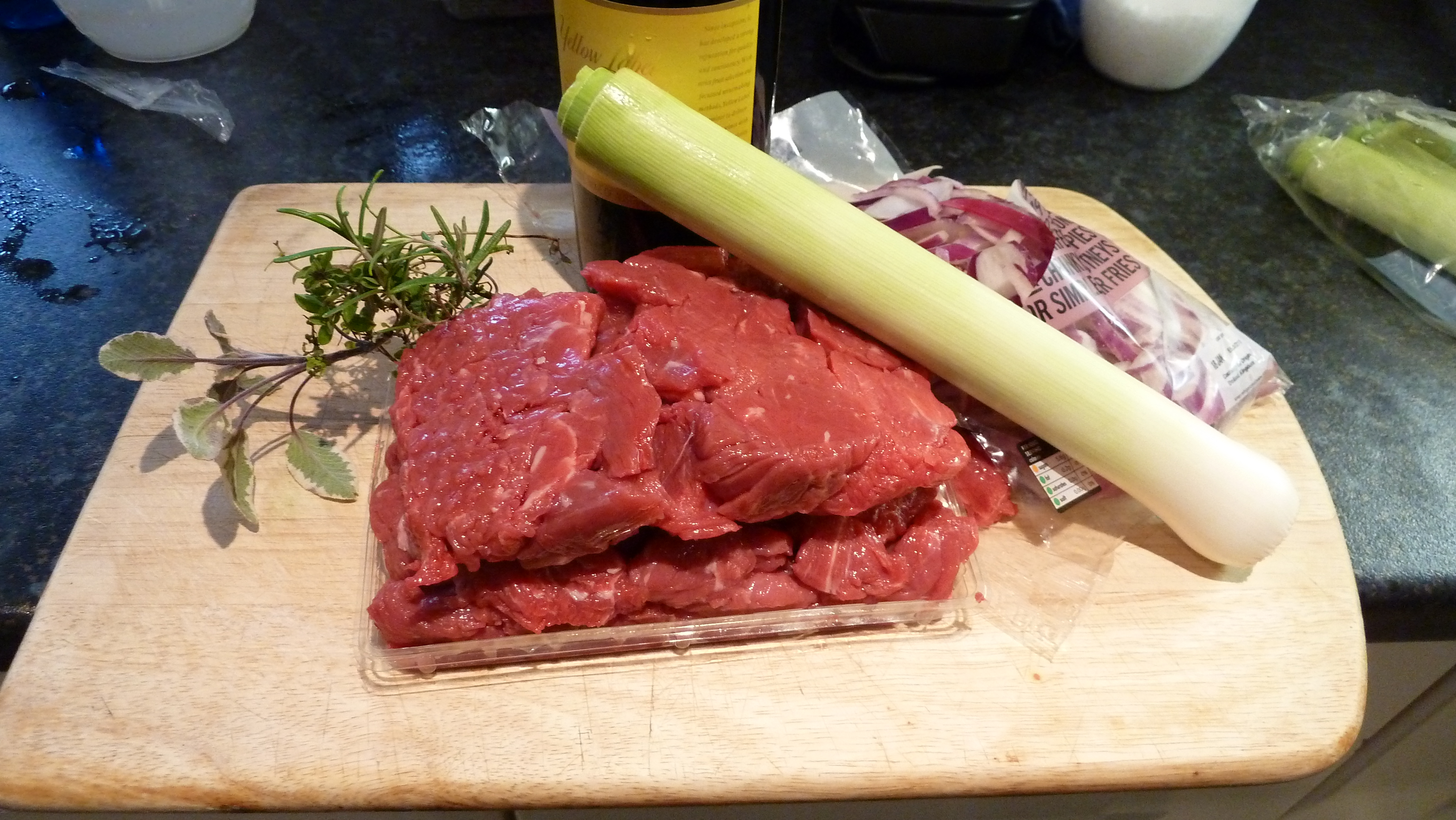
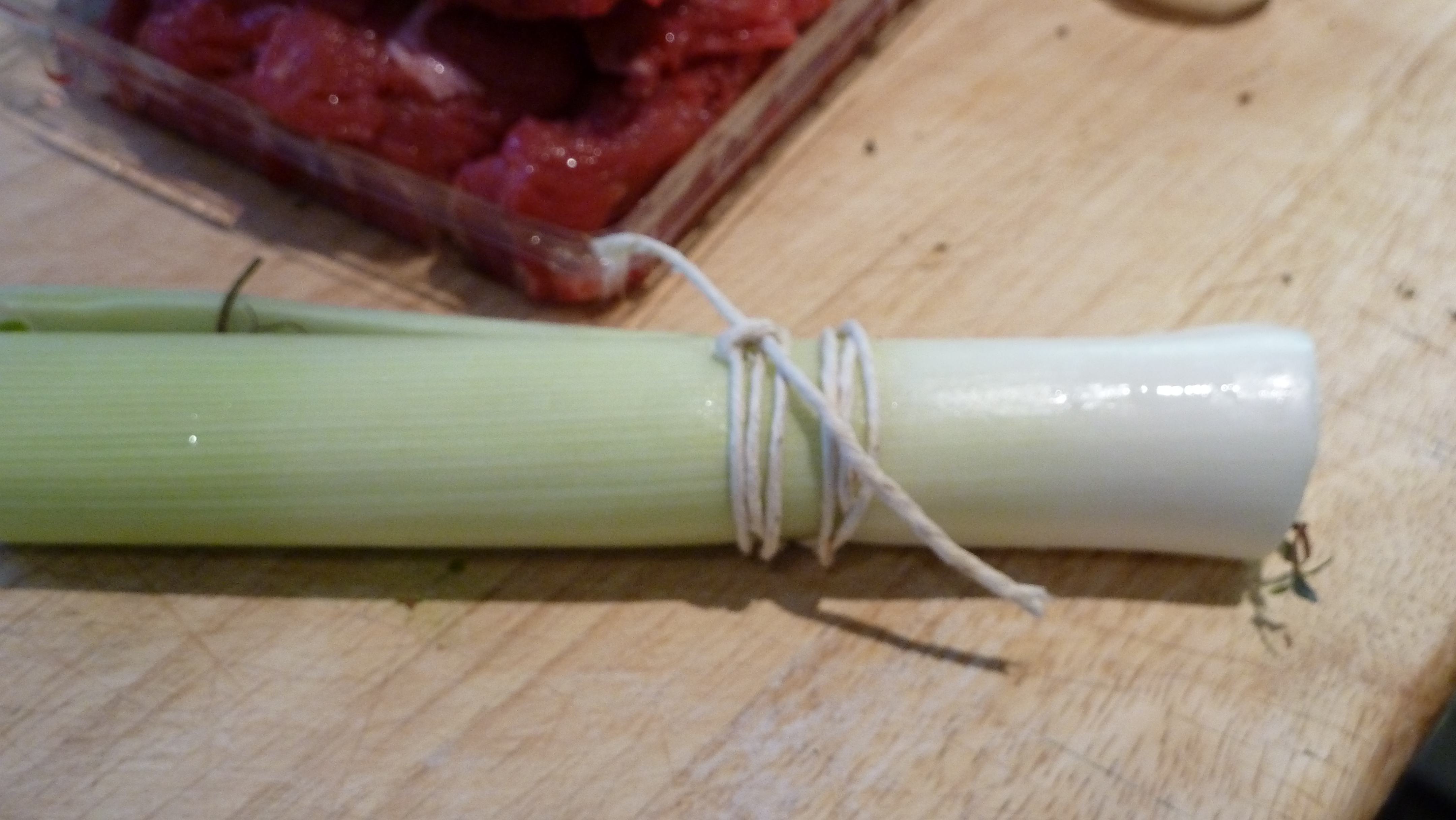
A nifty way of making a bouquet garni that doesn’t fill your stew with bits of old twig, is to get a handful of fresh herbs of your choice e.g. thyme, rosemary, sage, bay and using the outer skin from your leek, wrap them up tidily in the leek and seal it with string. That way, you get all the flavour but no bits and it really does look nice!

FinallyAtora suet has been a bit of an institution for years, here’s a link to their website which has loads of recipes. You can make the most brilliant things with suet – fantastic steamed puddings…watch this blog for details in the future

http://www.atora.co.uk/